> Uploading knowledge... _
[░░░░░░░░░░░░░░░░░░░░░░░░] 0%

> CHICIO CODING_Pixels. Code. Unplugged.
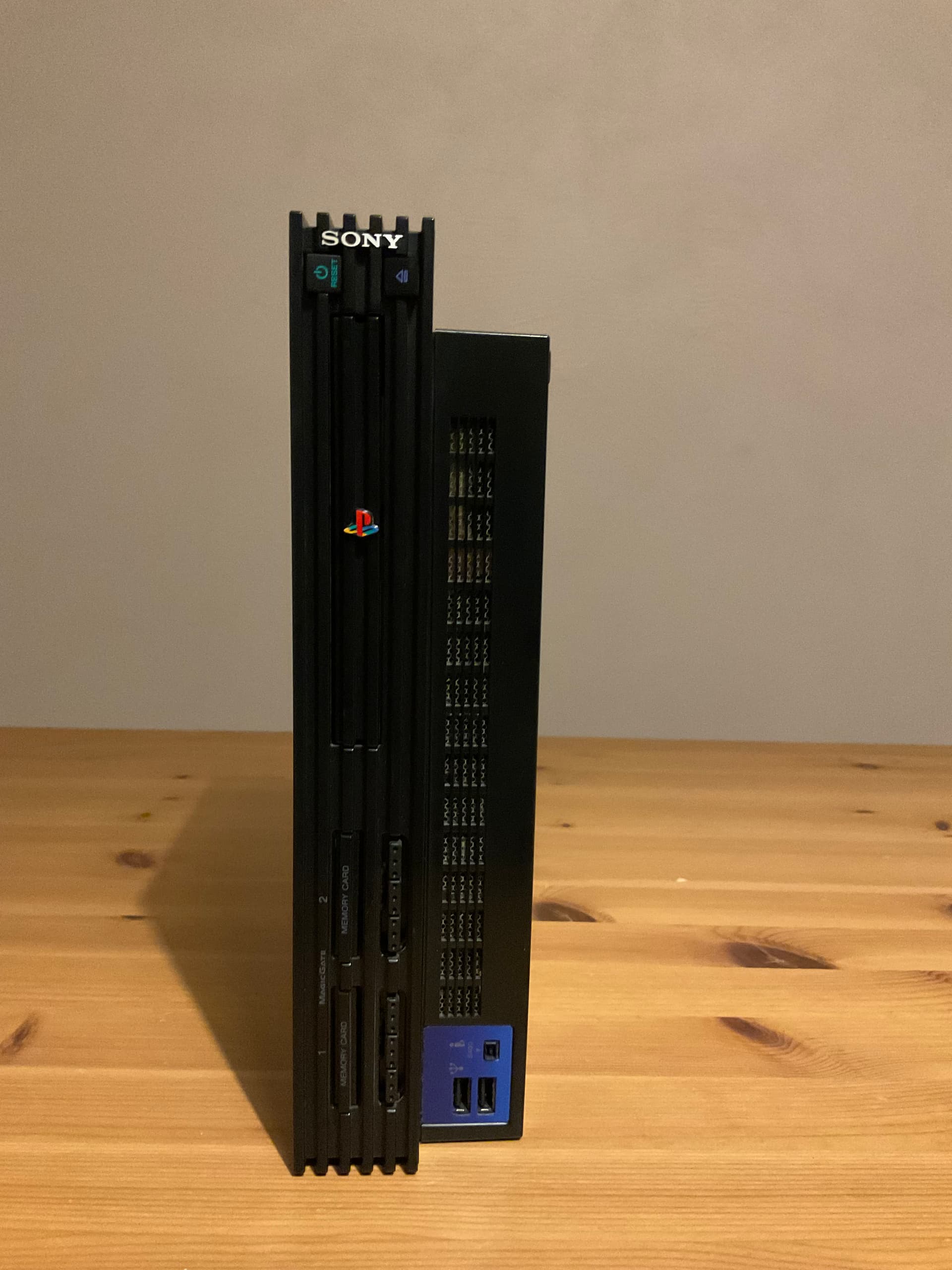
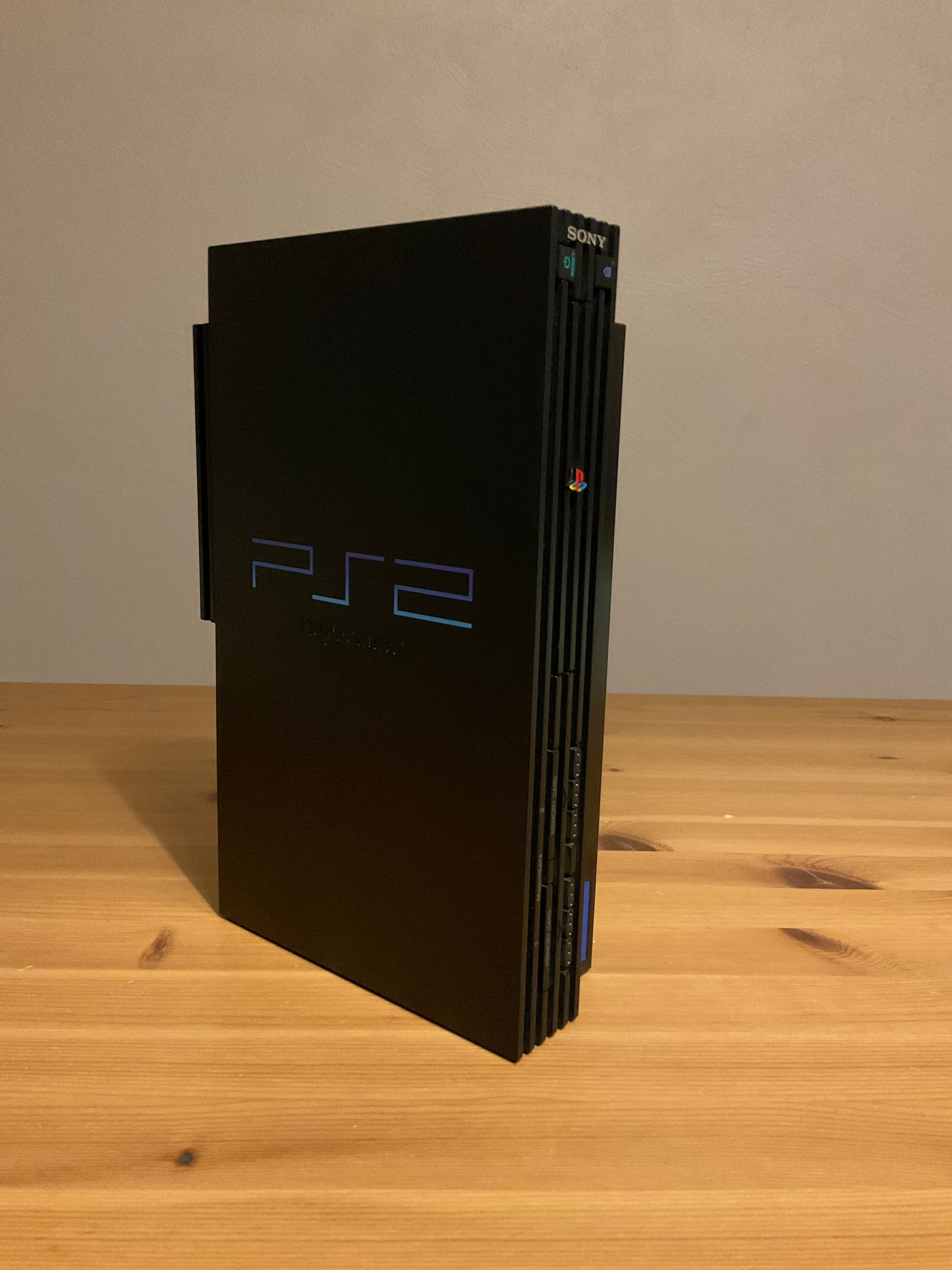
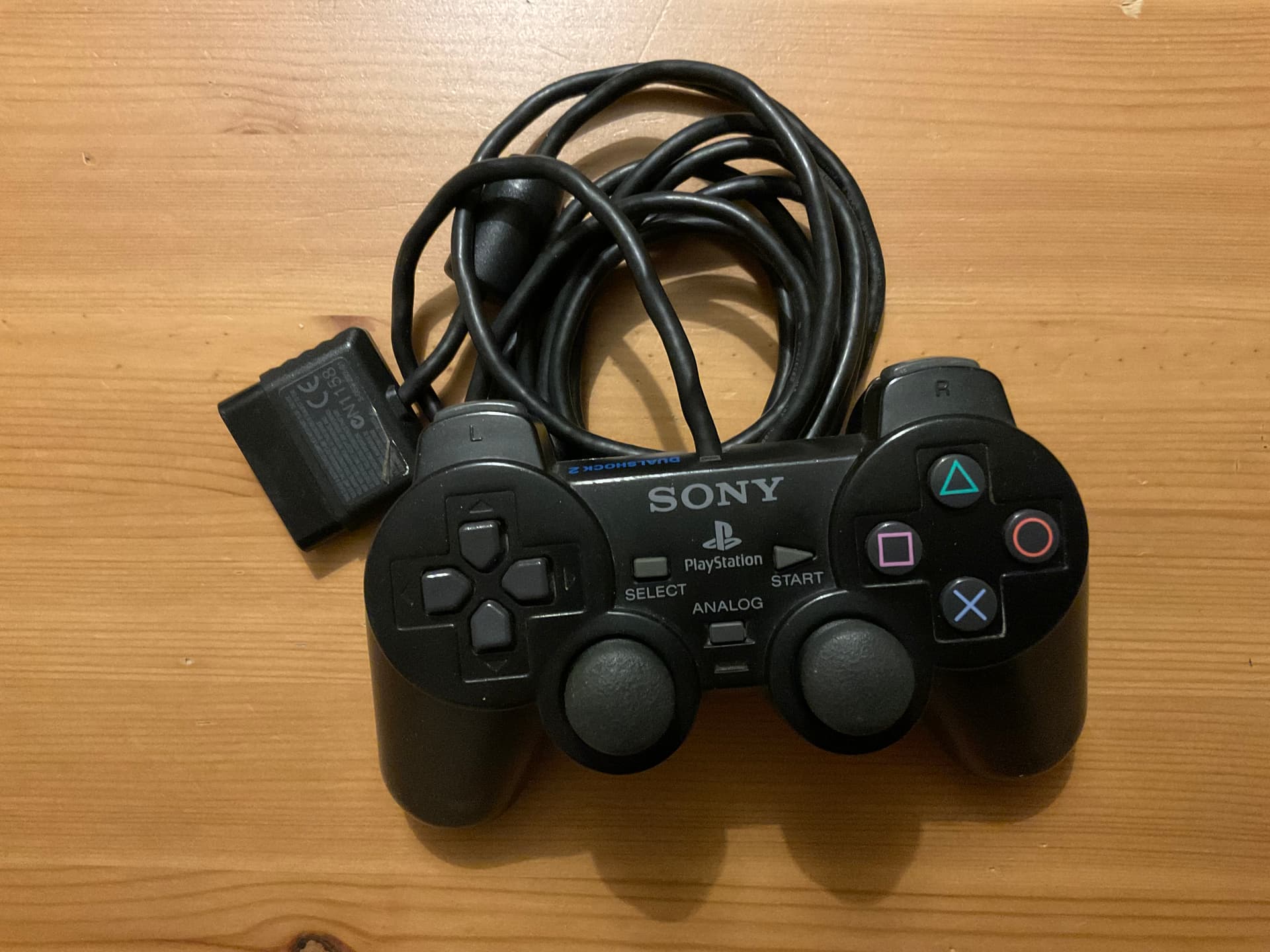
PlayStation 2


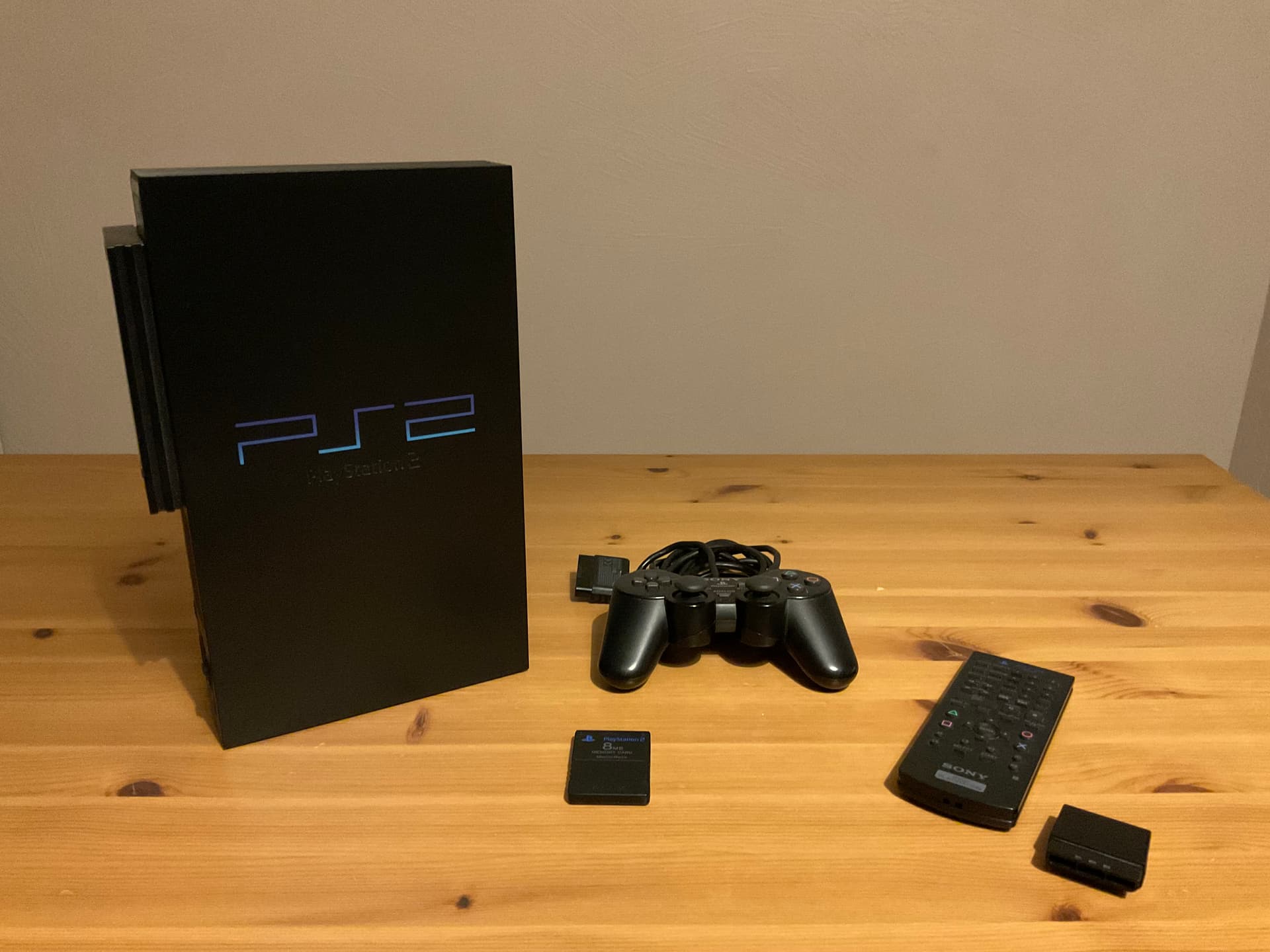
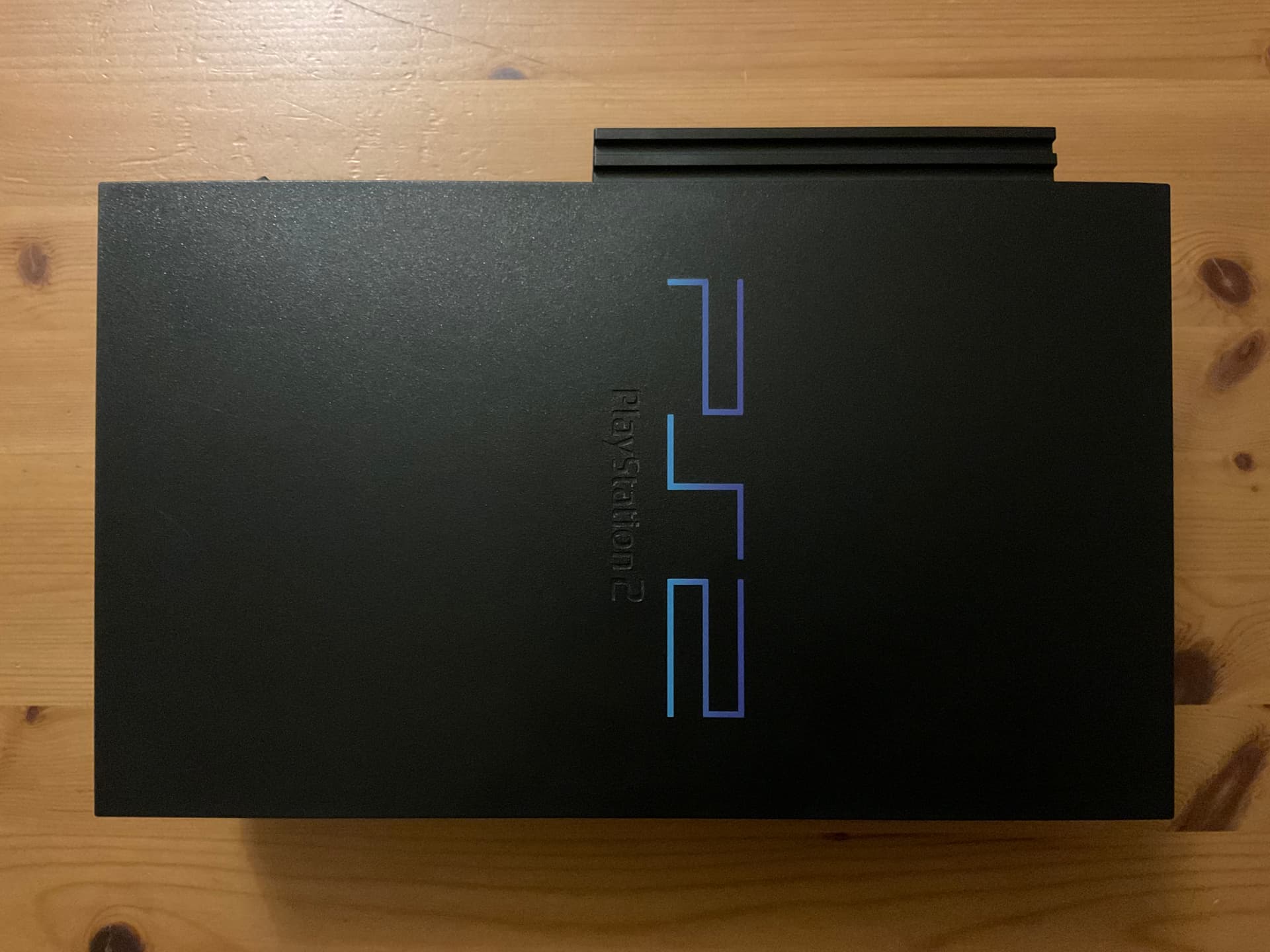
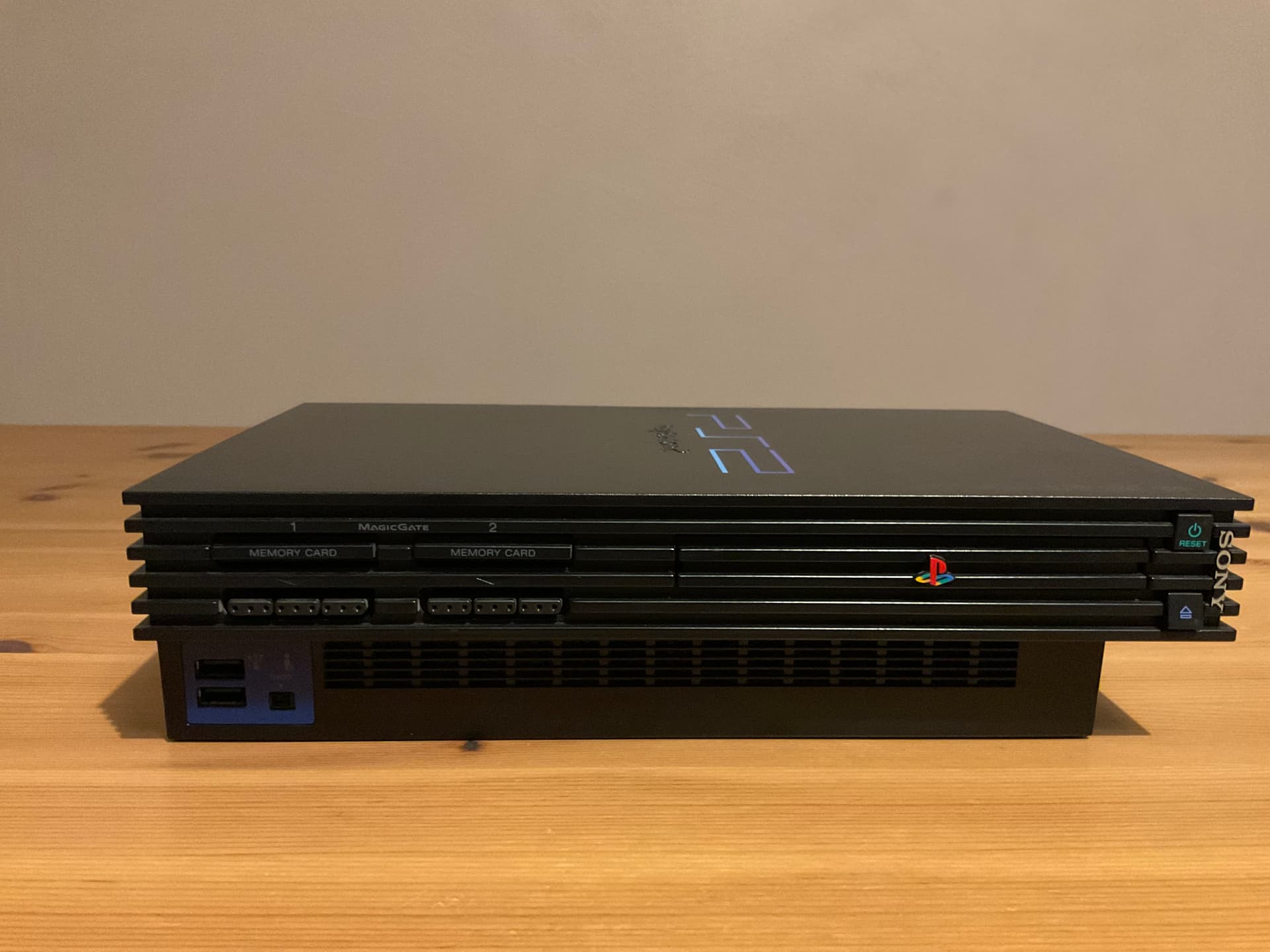
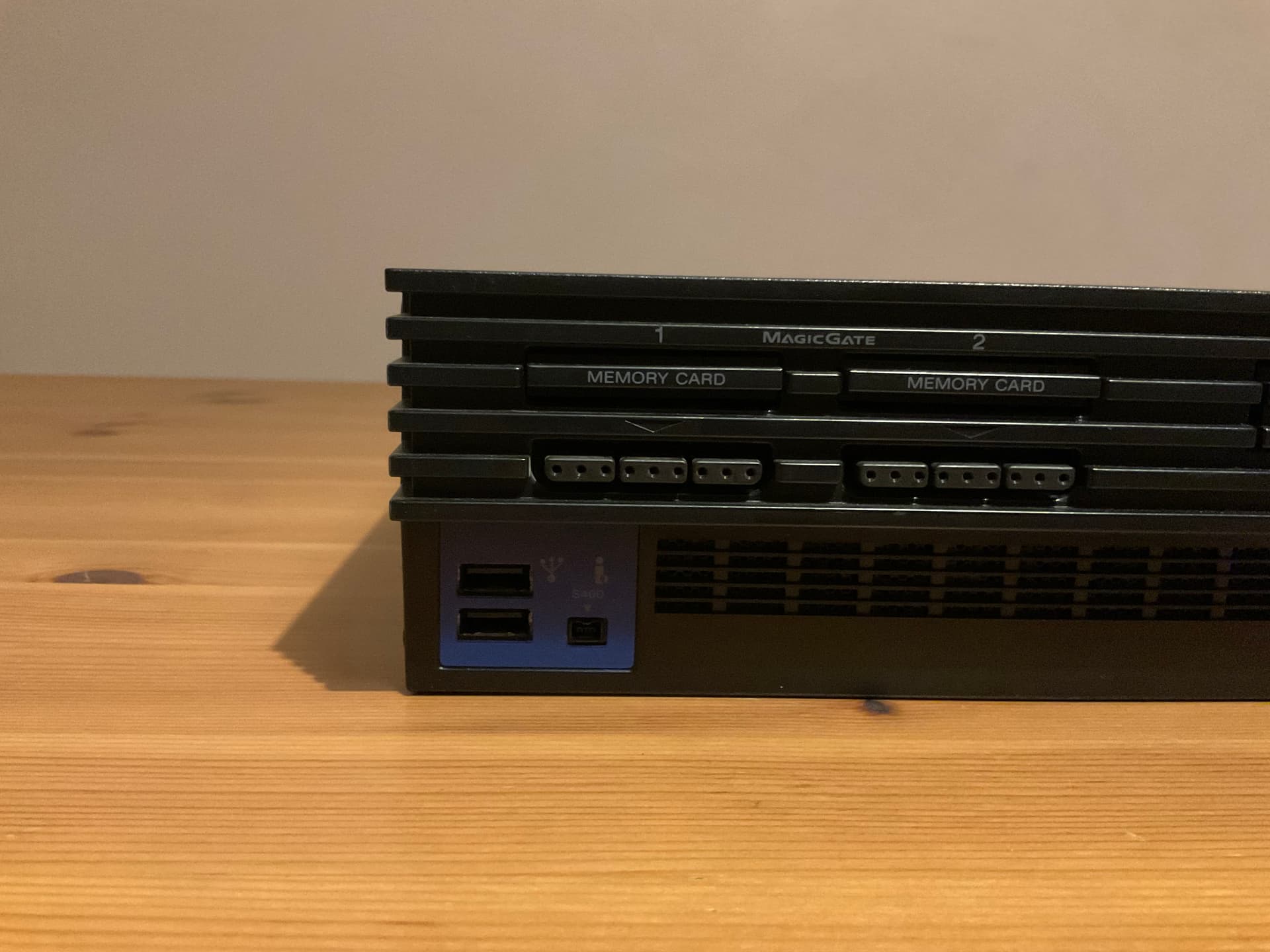
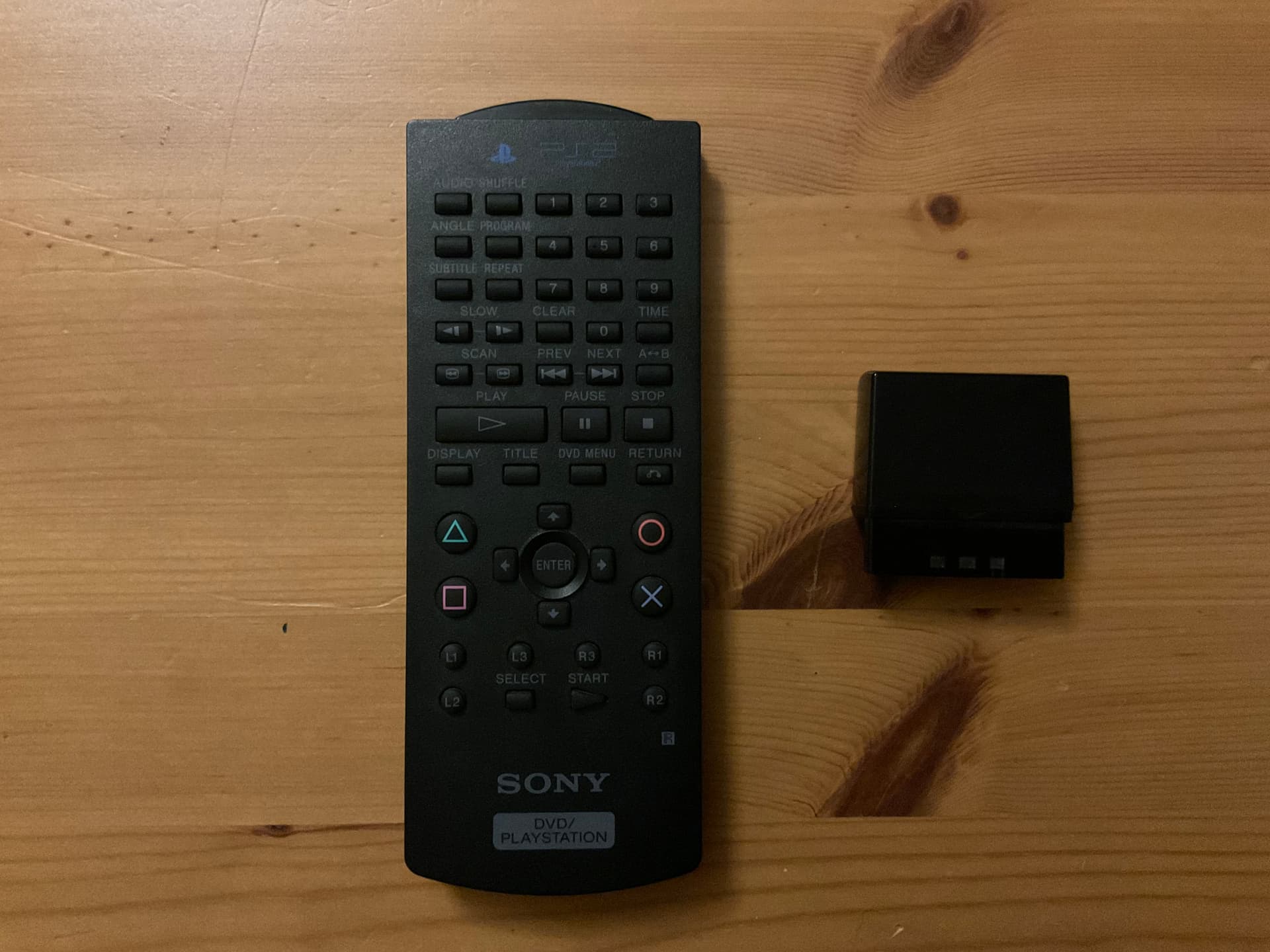
Released:2000
Acquired:2000
Architecture:128 bit
Generation:6th
Hardware specs
| Component | Specification |
|---|---|
| CPU | Emotion Engine 128-bit RISC core + FPU + Vector Units (VU0 & VU1) |
| GPU | Graphics Synthesizer (GS) 147 MHz, 4-pixel pipelines |
| System RAM | 32 MB RDRAM |
| VRAM | Integrated in Graphics Synthesizer |
| Audio | 48-channel ADPCM, SPDIF output |
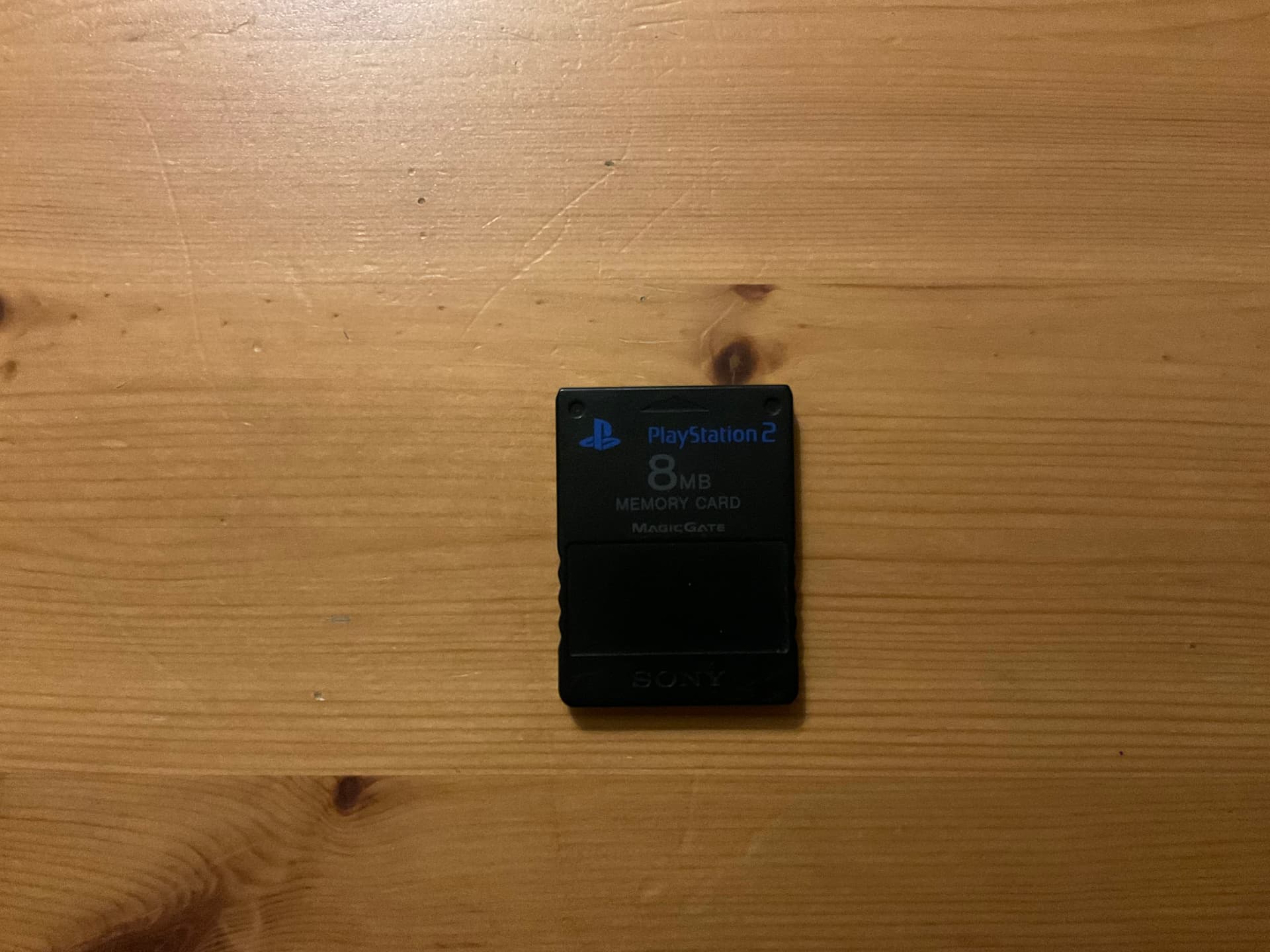
| Storage | DVD-ROM, Memory Card (8 MB) |
| Video Output | Component / RGB / S-Video |
| Audio Output | Stereo / Surround |
| Architecture | 128-bit hybrid |
Startup
The PS2's startup chime was again led by Fujisawa, now with a larger sound team behind him. They narrowed the choices down to two candidates before settling on a sound built around an impactful fourth chord, meant to express simple strength and the image of landing somewhere from space, and it ended up considerably more layered than the sound Fujisawa made for the original PlayStation.
- The boot screen's real curiosity is visual: the white columns of varying heights rising behind the "Sony Computer Entertainment" logo are generated from the save data on your memory card, roughly one column per saved game, so the screen effectively renders your play history. Deleting individual saves does not shrink the towers back down; only a fresh memory card gives you a clean, tower-free boot (GameSpot).
Trivia & Fun Facts
- It is the best-selling consoles of all time with over 160 million units sold.
- One of the biggest reasons for the PS2's early success wasn't just games. It was the cheapest DVD player on the market. In 2000, stand-alone DVD players often cost more than the console itself, making the PS2 an easy "sell" to parents and non-gamers.
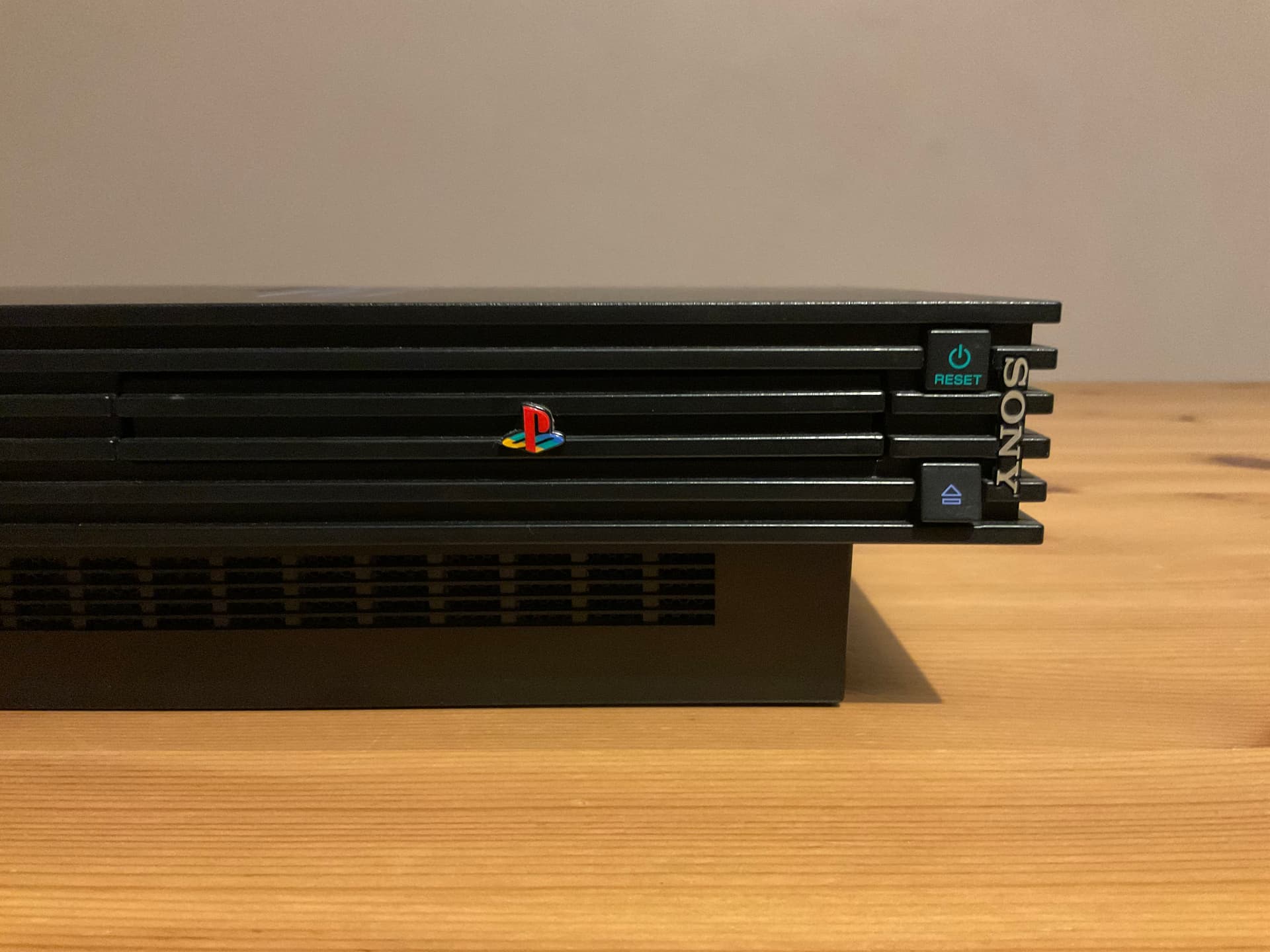
- In a small but brilliant bit of industrial design, the PlayStation "PS" logo on the disc tray can be rotated by 90 degrees. This allowed the logo to stay upright whether the user positioned the console horizontally or vertically.