> Uploading knowledge... _
[░░░░░░░░░░░░░░░░░░░░░░░░] 0%

> CHICIO CODING_Pixels. Code. Unplugged.
PlayStation Portable


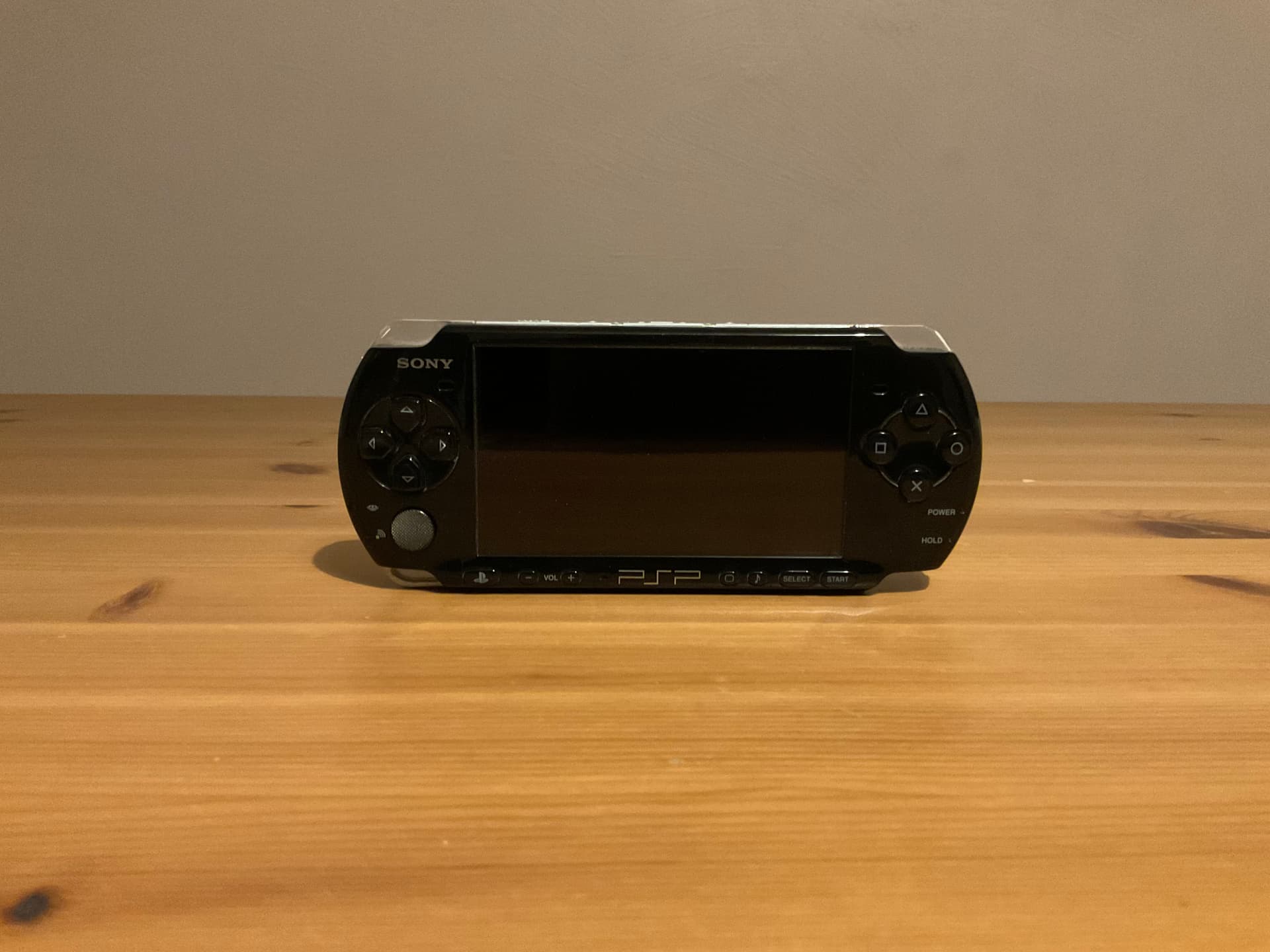
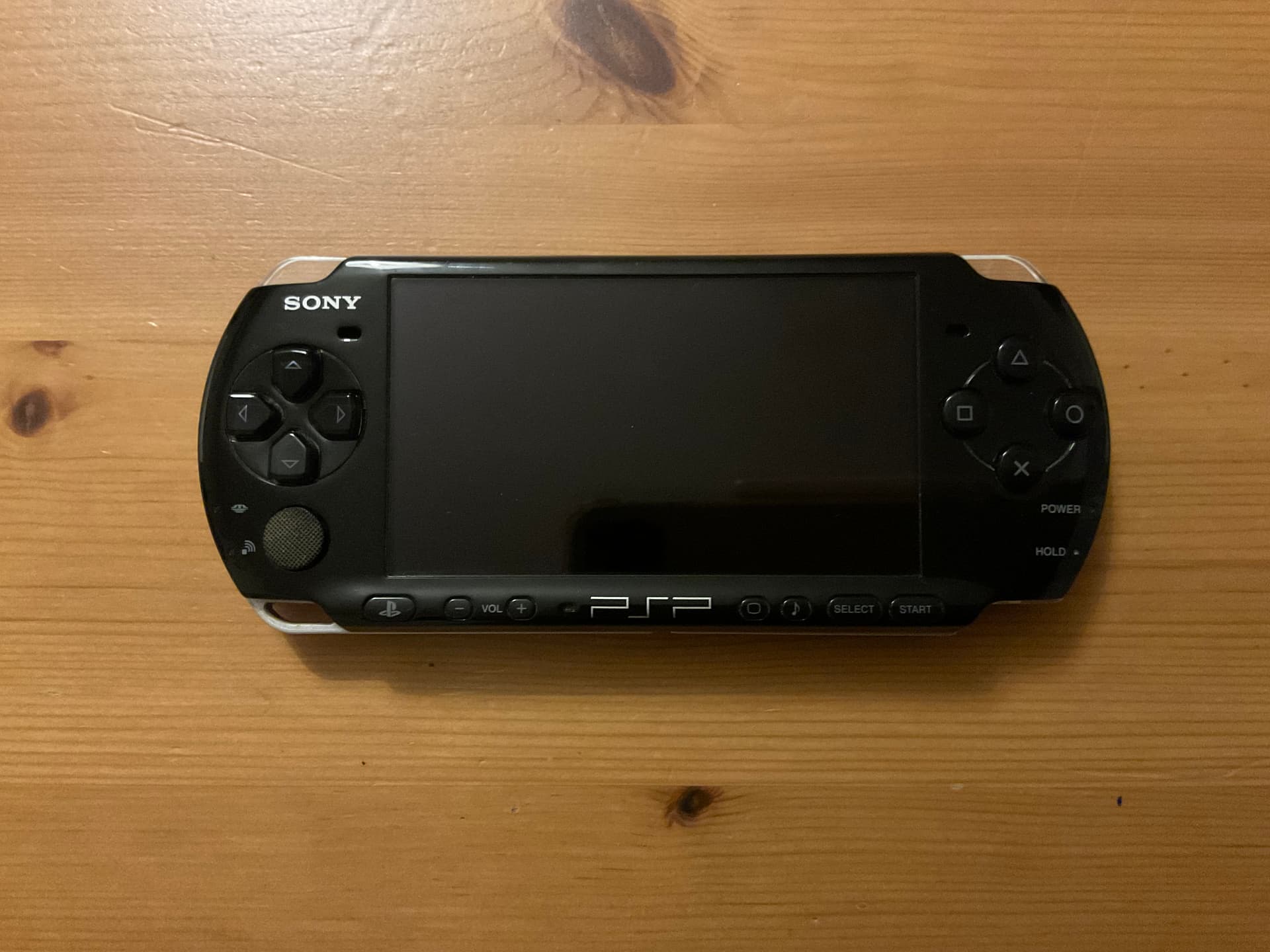
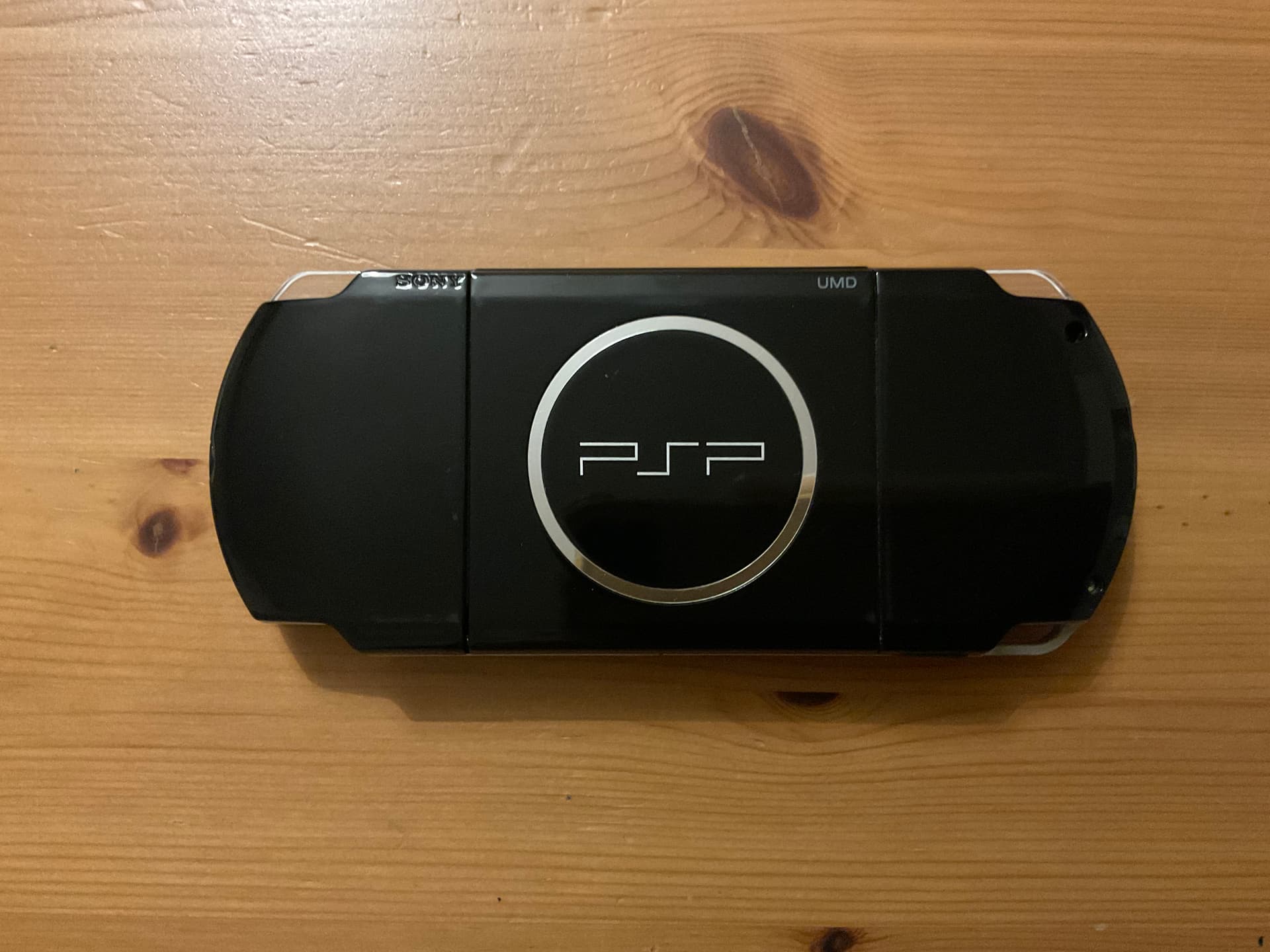
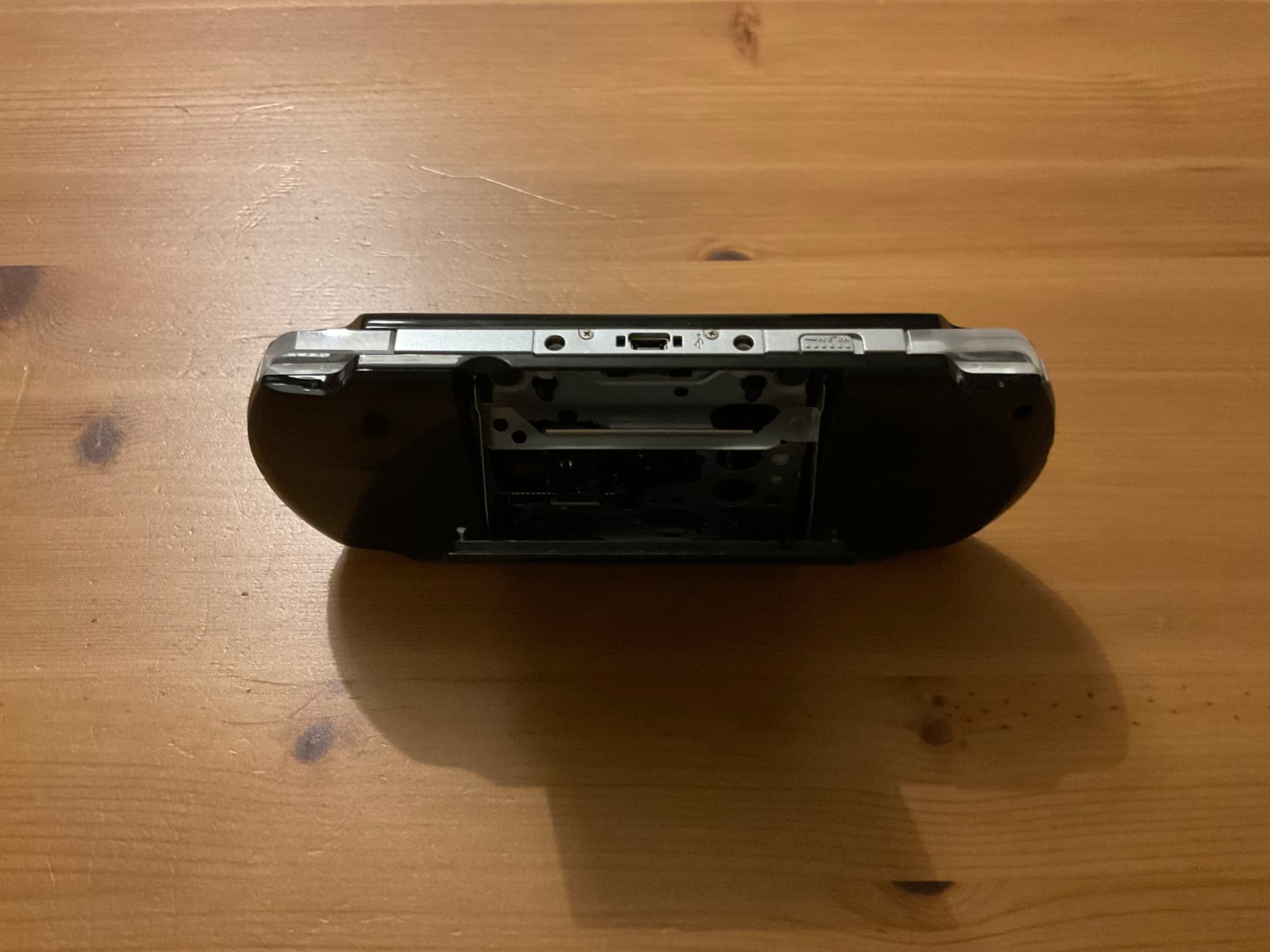
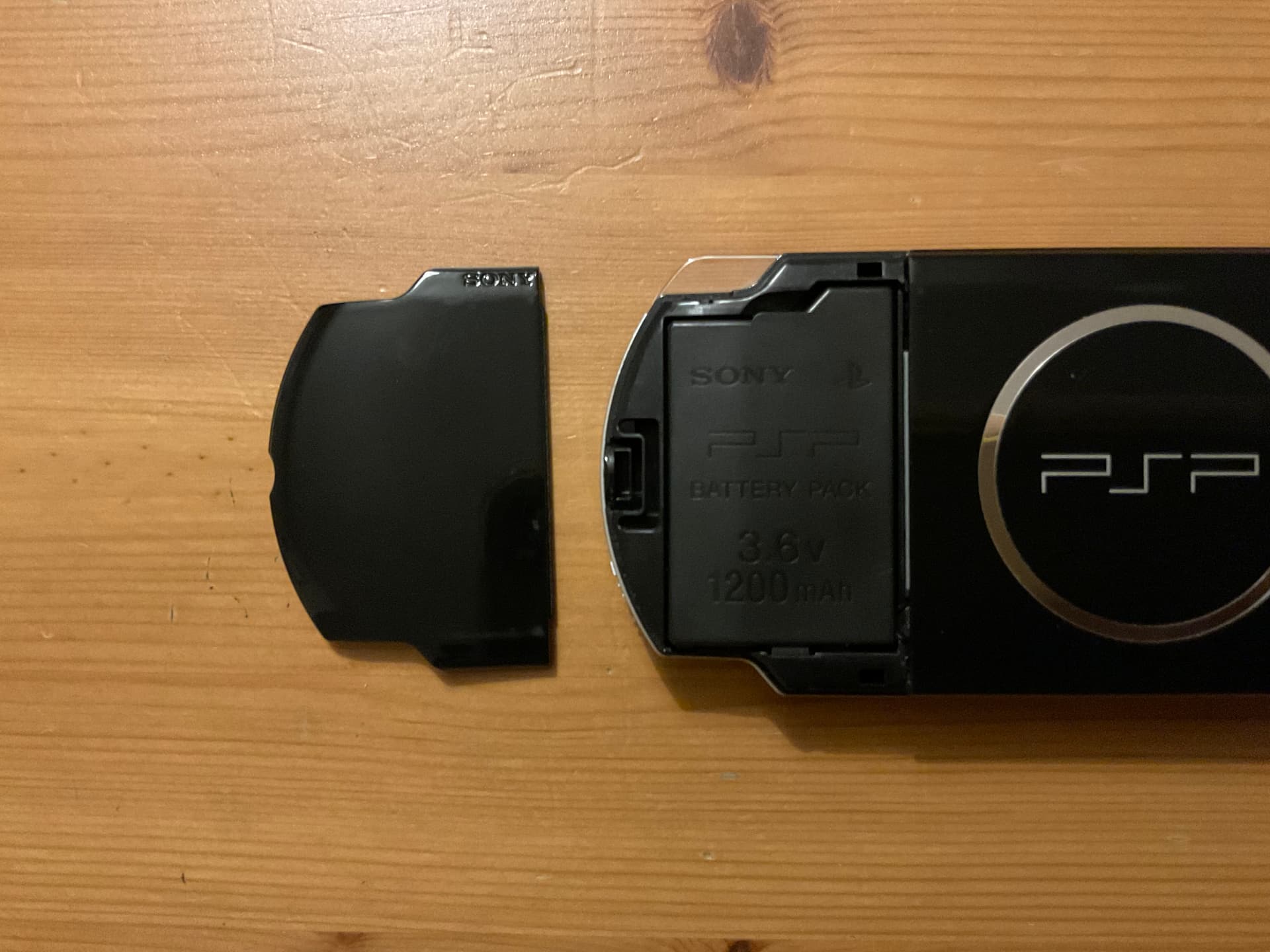
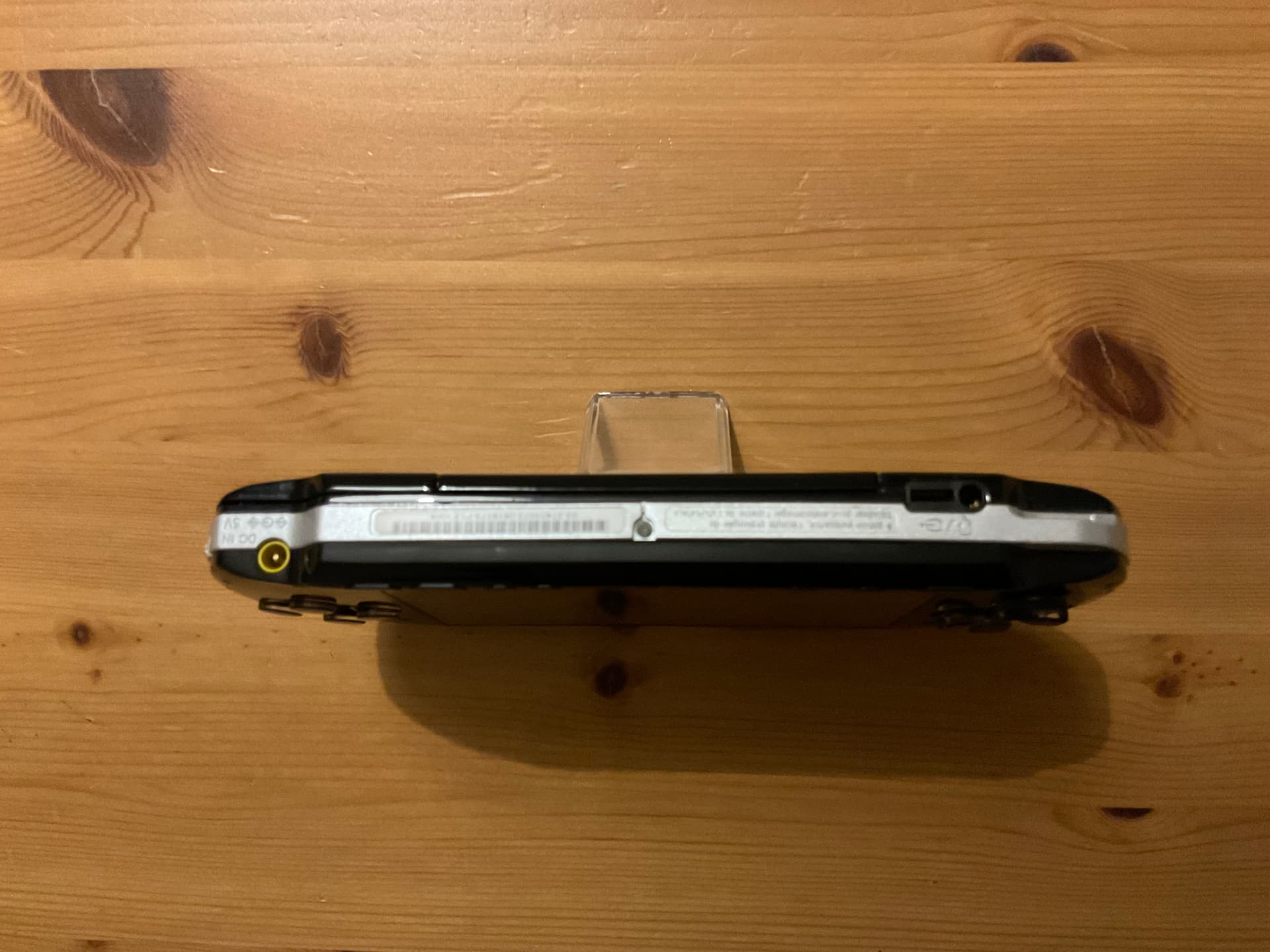
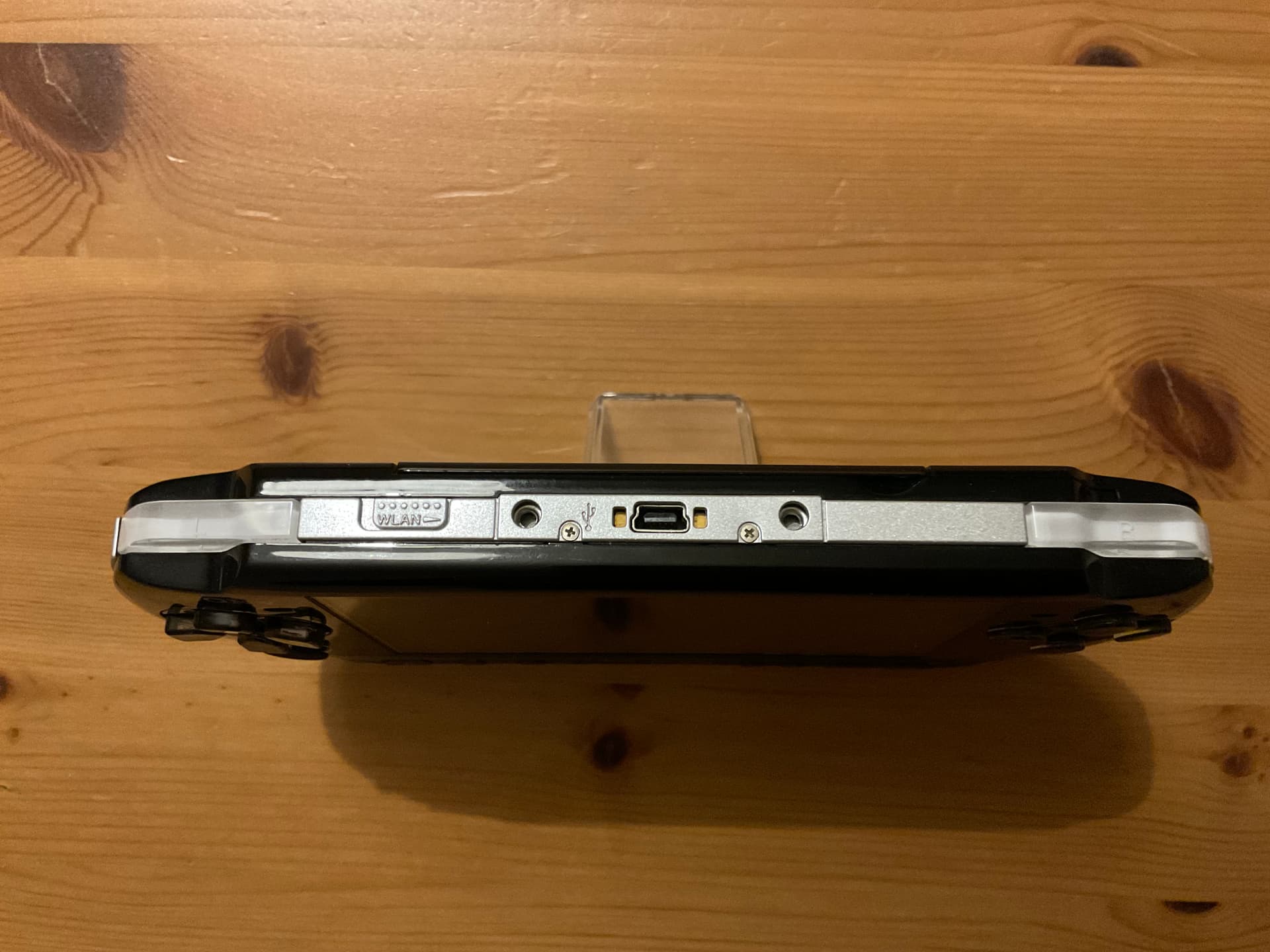
Released:2004
Acquired:2008
Architecture:32 bit
Generation:7th
Hardware specs
| Component | Specification |
|---|---|
| CPU | MIPS R4000-based 32-bit (Allegrex) @ 333 MHz |
| GPU | Sony CXD2962GG Graphics Engine @ 166 MHz |
| System RAM | 64 MB |
| Video RAM | 2 MB eDRAM |
| Display | 4.3" TFT LCD (anti-reflective, improved color & response time) |
| Resolution | 480 × 272 |
| Color Depth | 24-bit (16.7 million colors) |
| Audio | Stereo, ATRAC3+, MP3, AAC support |
| Storage | UMD (Universal Media Disc), Memory Stick Pro Duo |
| Connectivity | Wi-Fi IEEE 802.11b, USB 2.0 |
| Video Output | Composite / Component (progressive supported for games) |
| Audio Output | Stereo speakers, headphone jack |
| Architecture | 32-bit |
Startup
Turning on a PSP shows a coloured wave animation accompanied by a bright, chirpy chime built from high tones, described as sitting somewhere between an acoustic guitar and a synthesiser. That register was a deliberate move away from the deeper, more atmospheric PS1 and PS2 sounds: something suited to a handheld meant to be played outdoors through small, tinny speakers.
- The coloured wave itself outlived the boot screen: it became the background of the XrossMediaBar, the interface Sony went on to reuse across later platforms.
Trivia & Fun Facts
- Sony created a proprietary optical disc format for the PSP called UMD (Universal Media Disc). While it allowed for high-quality graphics and full-length movies (like Spider-Man 2), the moving parts made the console noisy, increased load times, and drained the battery faster than cartridges would have.
- At launch, the PSP’s graphical power was mind-blowing. It was essentially a portable PlayStation 2. Games like God of War: Chains of Olympus and Ridge Racer proved that "console-quality" gaming on the go was finally possible.
- Early PSP units (the 1000 model) suffered from stuck or dead pixels. Sony’s initial official stance was that a small number of dead pixels was "characteristic of LCD screens" and not a defect, which sparked a significant backlash from early adopters.