> Uploading knowledge... _
[░░░░░░░░░░░░░░░░░░░░░░░░] 0%

> CHICIO CODING_Pixels. Code. Unplugged.
PlayStation 1

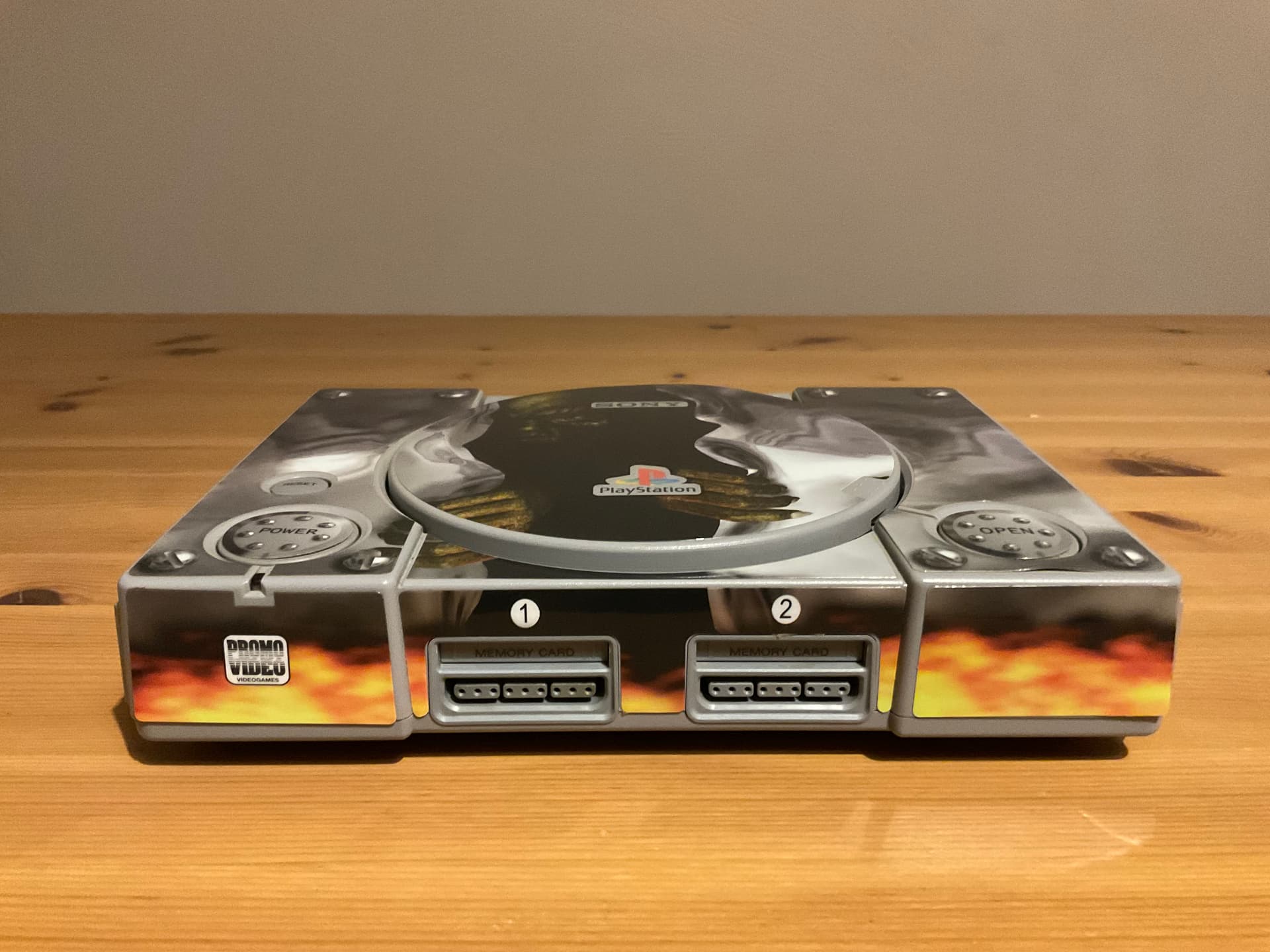
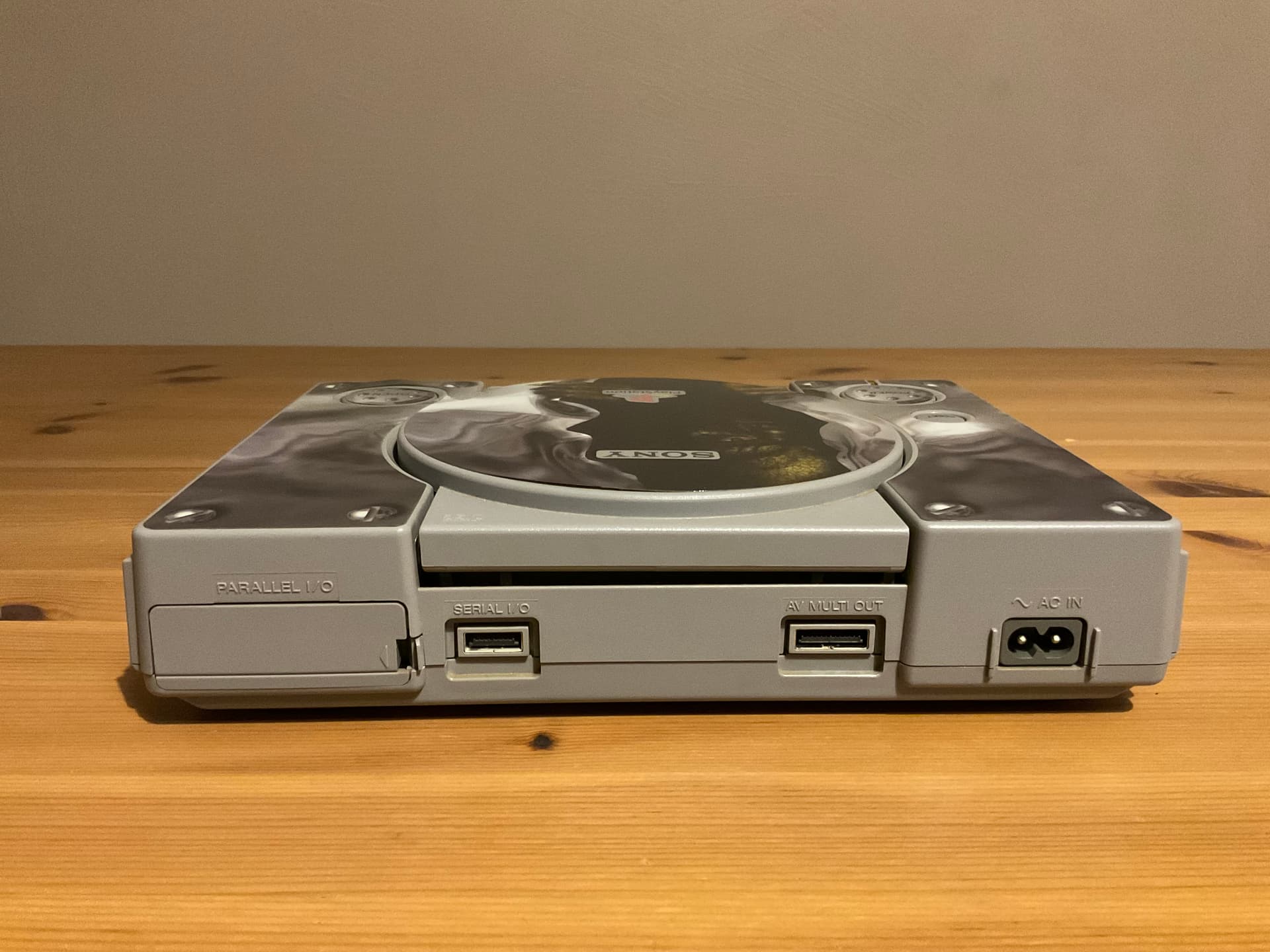
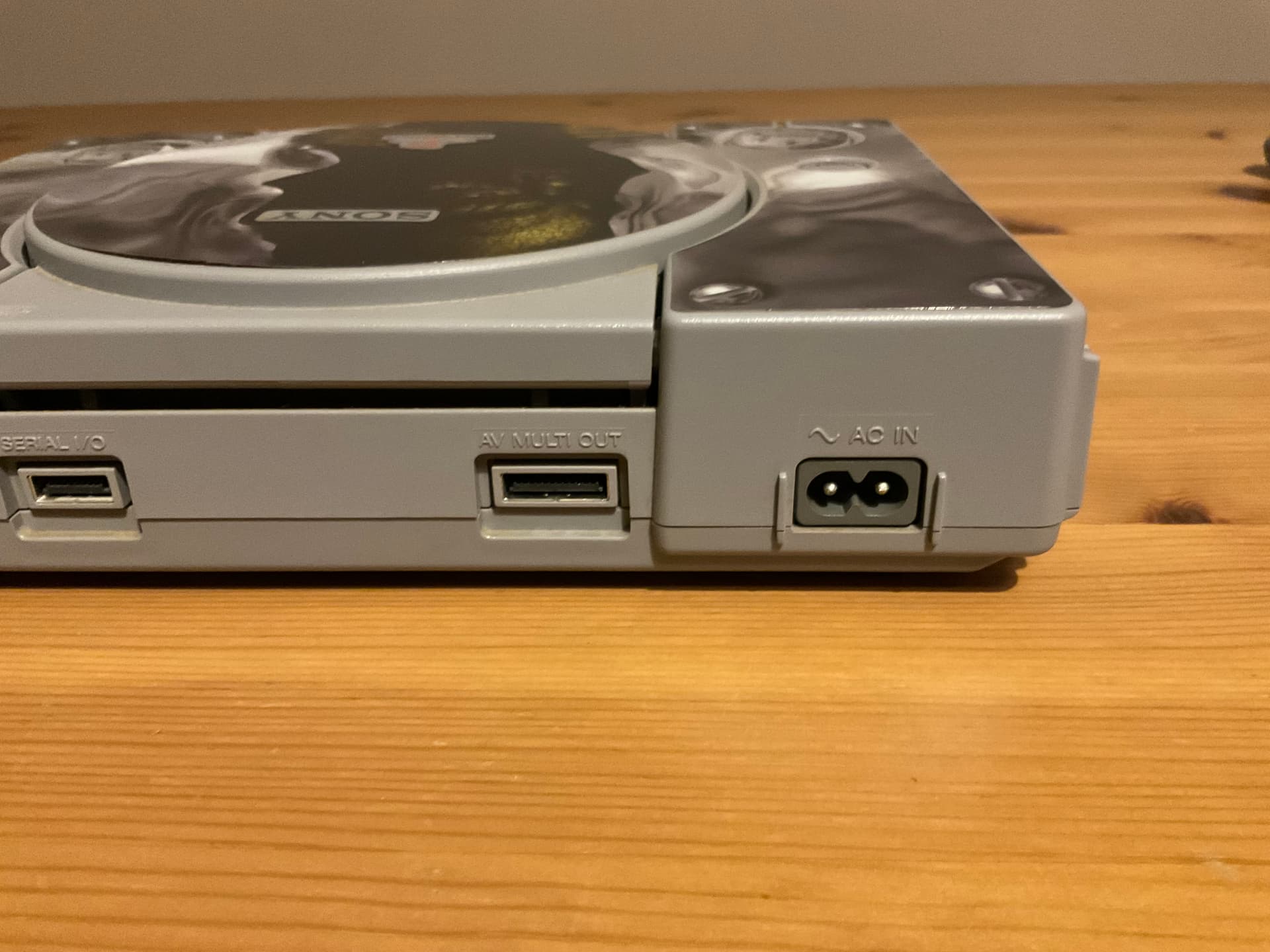
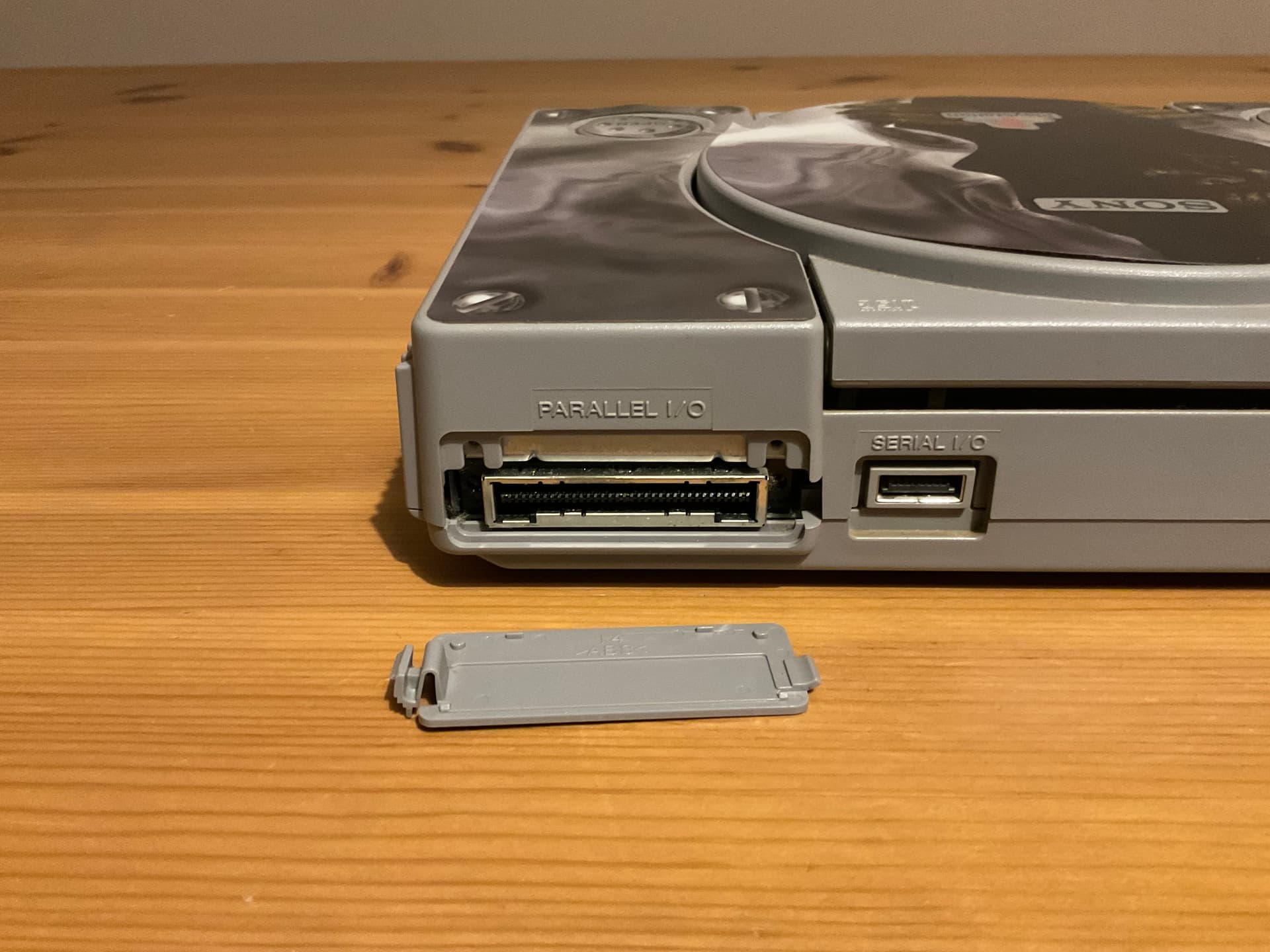
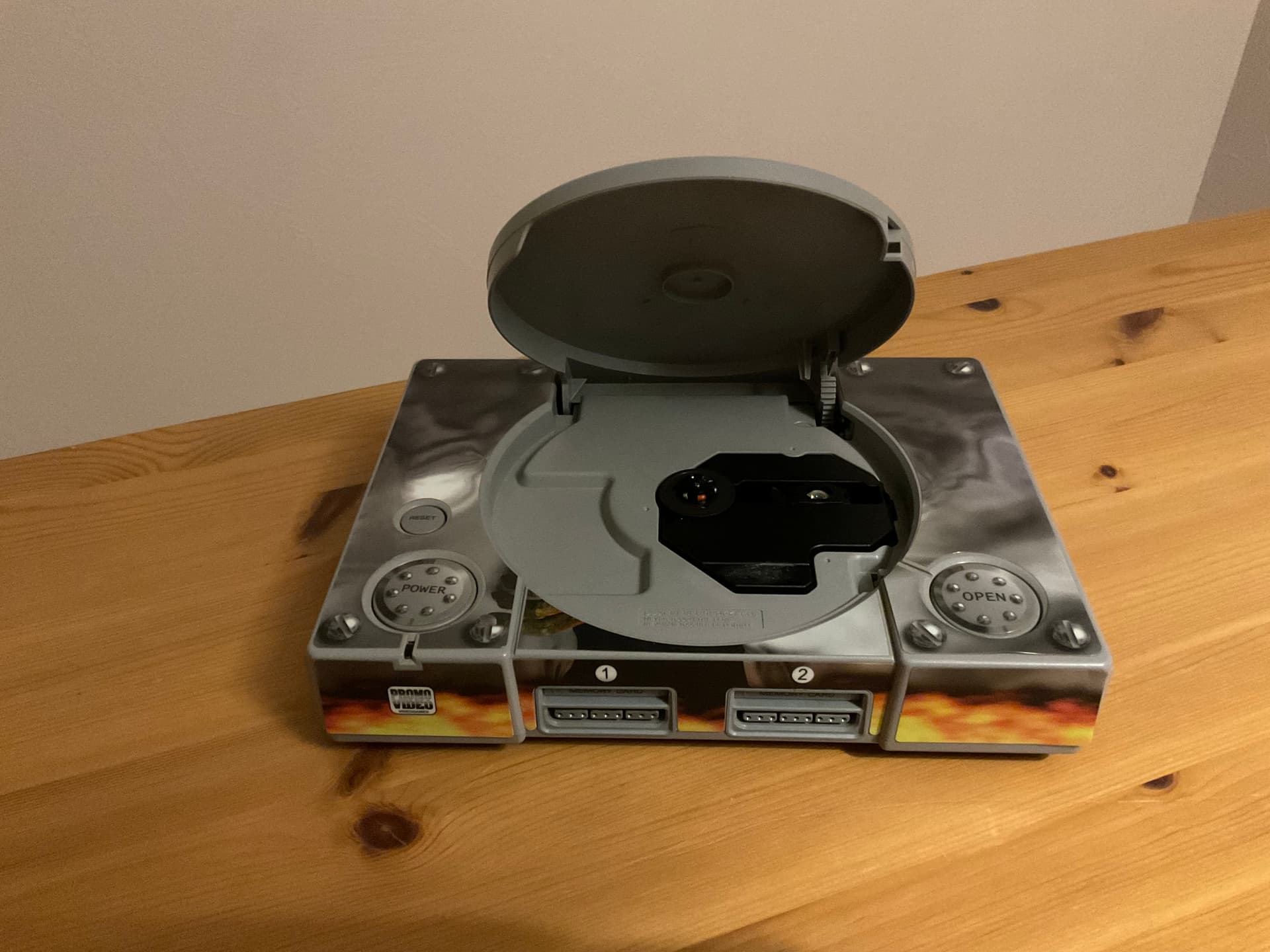
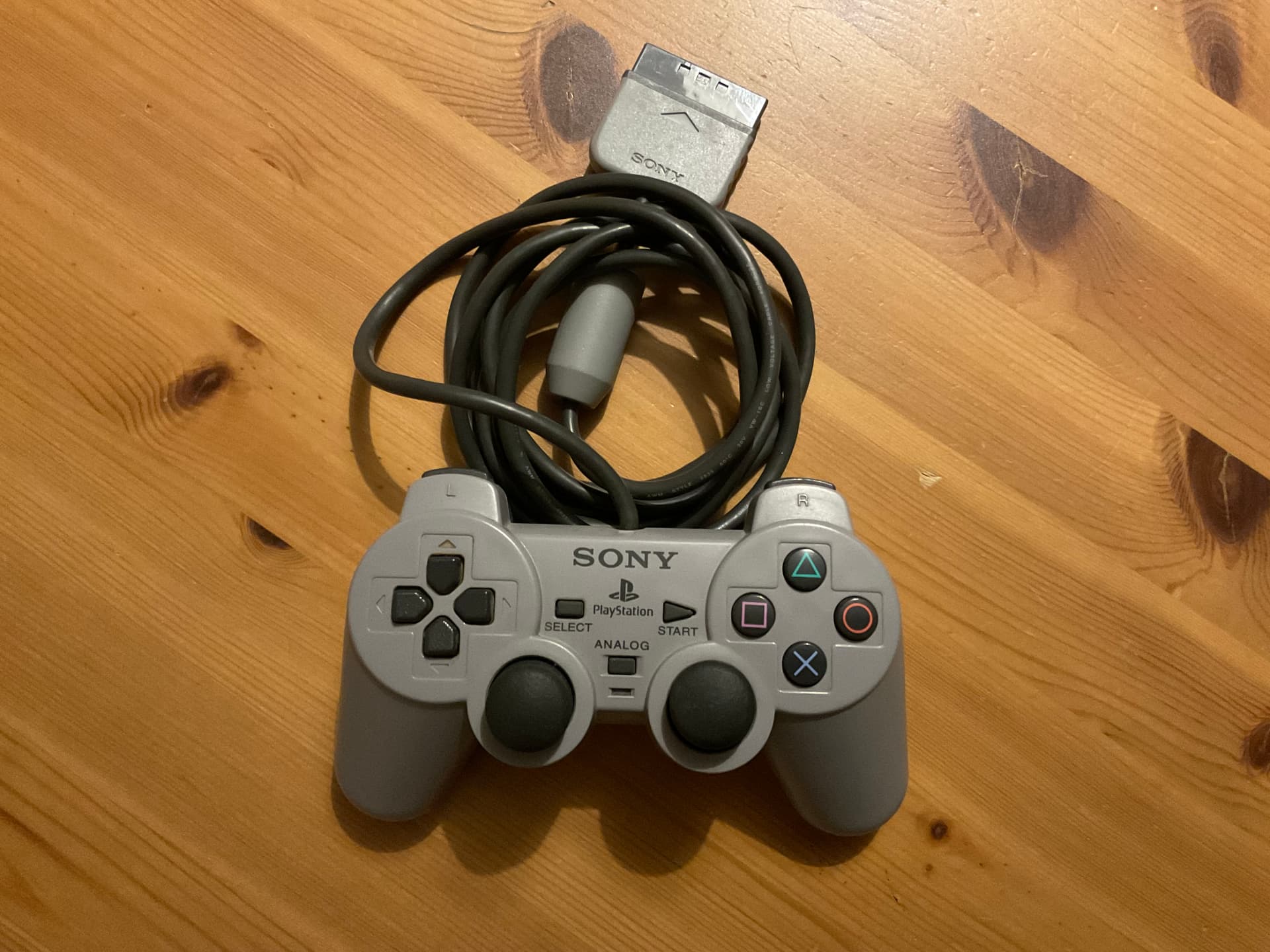
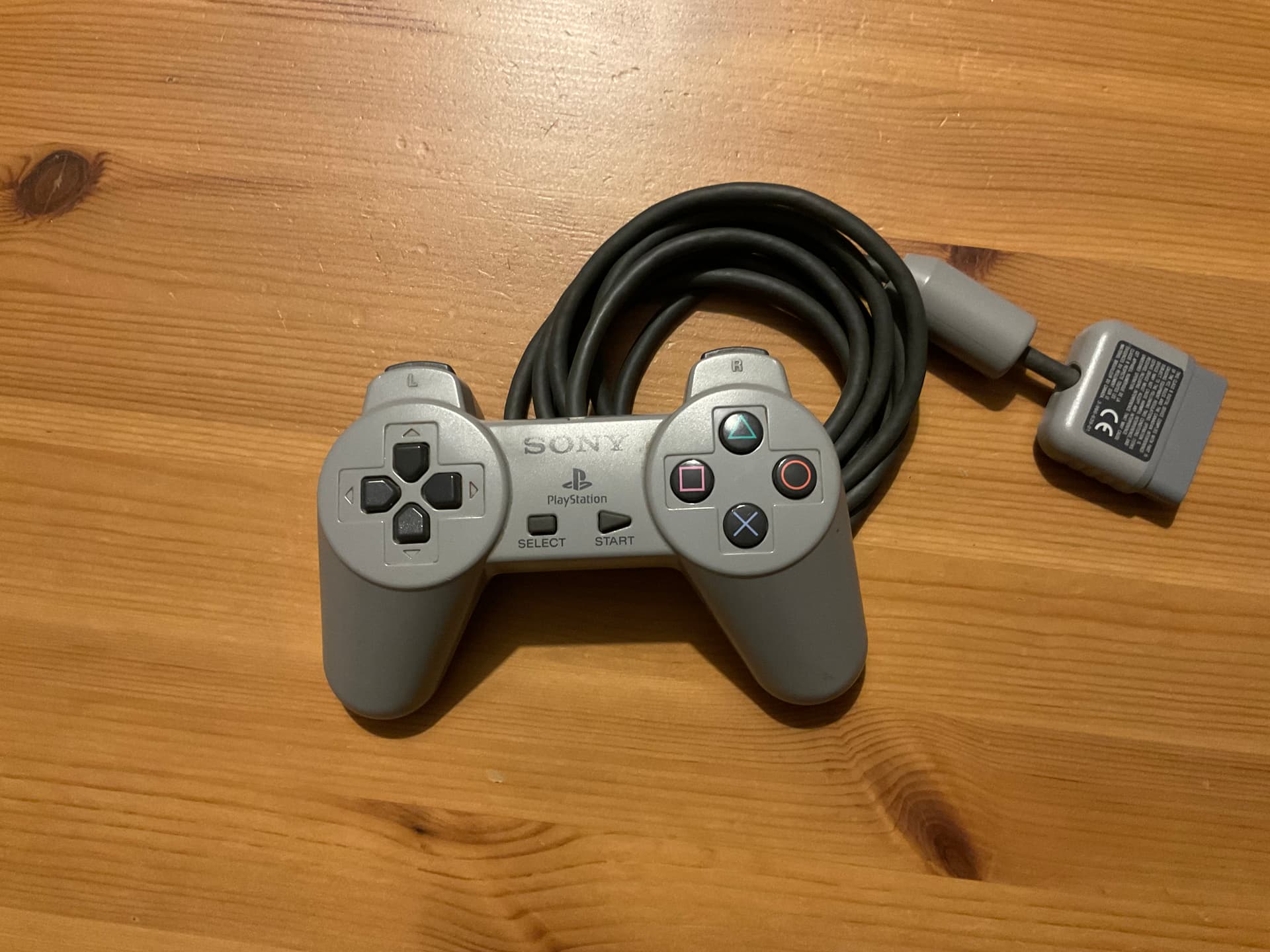
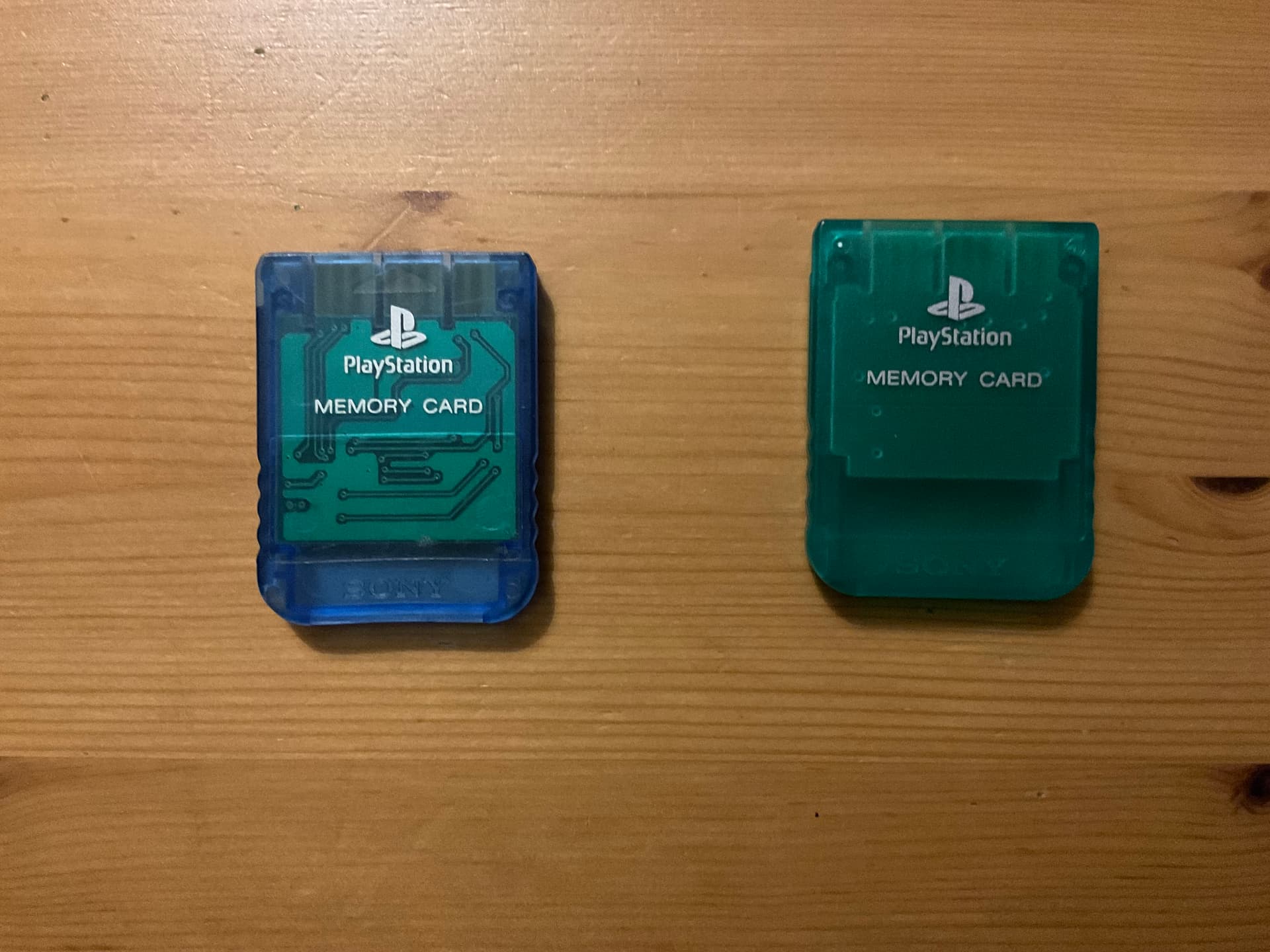
Released:1994
Acquired:1997
Architecture:32 bit
Generation:3rd
Hardware specs
| Component | Specification |
|---|---|
| CPU | LSI R3000A-compatible 32-bit RISC (MIPS I) |
| GPU | Sony GPU 32-bit with Polygon Engine & CLUT texture mapping |
| System RAM | 2 MB main RAM |
| VRAM | 1 MB video RAM |
| Audio | 24-channel ADPCM SPU |
| Storage | CD-ROM, supports XA audio & Mode 2 sectors |
| Video Output | Composite / S-Video / RGB |
| Audio Output | Stereo |
| Architecture | 32-bit |
Startup
When a PlayStation 1 boots, the logo animation plays alongside a short chime designed to unsettle slightly. Sound designer Takafumi Fujisawa built it in spring 1994, after being handed the already finished logo animation to score. He spent roughly two weeks settling on the structure, tones and instruments, though the studio recording itself took about two days, working within the tight limits of the console's ROM size and its ADPCM sound chip's polyphony, all while making sure it would still sound right through every kind of TV speaker in the world.
- Musically the sound starts in stable equal temperament and drifts into pure intonation harmony, opening orchestral before adding an ethnic tone. Fujisawa described the goal as "something exciting, like that feeling when you walk into a cinema" (quoted in the PlayStation Blog piece above).
- The sequence doubles as a diagnostic: the twinkling notes confirm the console booted cleanly, and the swooshing sound loops if the disc cannot be read.
- Fujisawa also recorded a version featuring his own whispered voice saying "PlayStation", but it was rejected because it gave the impression the console was speaking to you (SVG's account).

Trivia & Fun Facts
- Born from Revenge: The PlayStation exists because of a failed partnership. Nintendo originally contracted Sony to create a CD-ROM add-on for the SNES. However, Nintendo publicly backed out at the 1991 CES, partnering with Philips instead. Furious, Sony president Norio Ohga pushed to develop their own console to compete with (and beat) Nintendo.
- The Symbolic Buttons: Teiyu Goto, the controller’s designer, chose the symbols specifically:
- △ (Triangle) represented a viewpoint or direction.
- ☐ (Square) represented a piece of paper (menus/documents).
- ◯ (Circle) and ✕ (Cross) represented "Yes" and "No" (though Western developers famously swapped their functions).
- The "Black Disc" Mystery: Unlike the standard silver CDs of the time, PS1 game discs had a distinct black bottom. While many fans thought it was a copy-protection measure, it was actually a branding choice to make the games look "cool" and easily identifiable.
- Polygon Pioneer: Before the PS1, 3D graphics were mostly for high-end PCs or arcades. Ken Kutaragi (the "Father of PlayStation") insisted on a machine dedicated to processing polygons, forcing the entire industry to shift from 2D sprites to 3D worlds.