> Uploading knowledge... _
[░░░░░░░░░░░░░░░░░░░░░░░░] 0%

> CHICIO CODING_Pixels. Code. Unplugged.
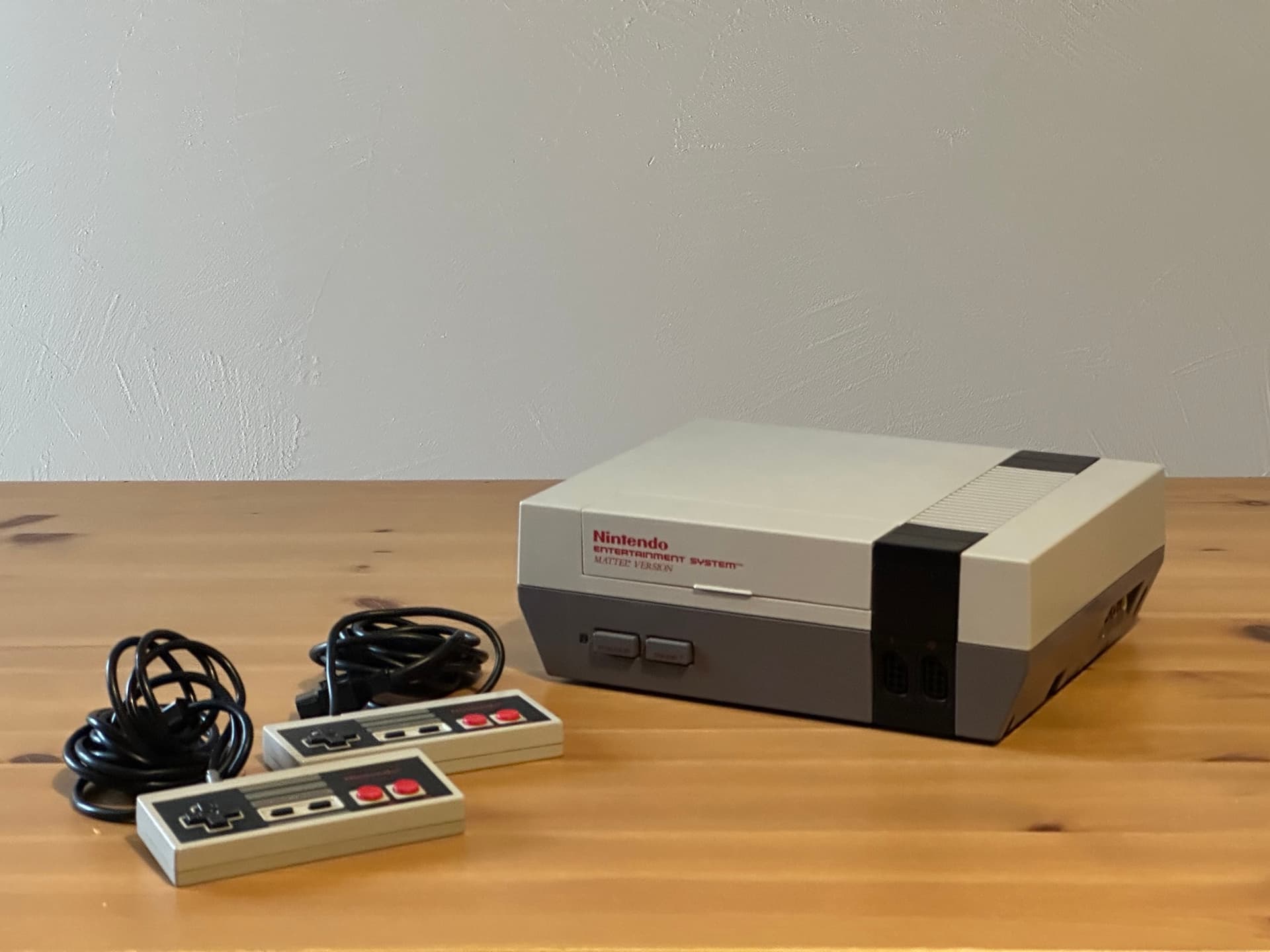
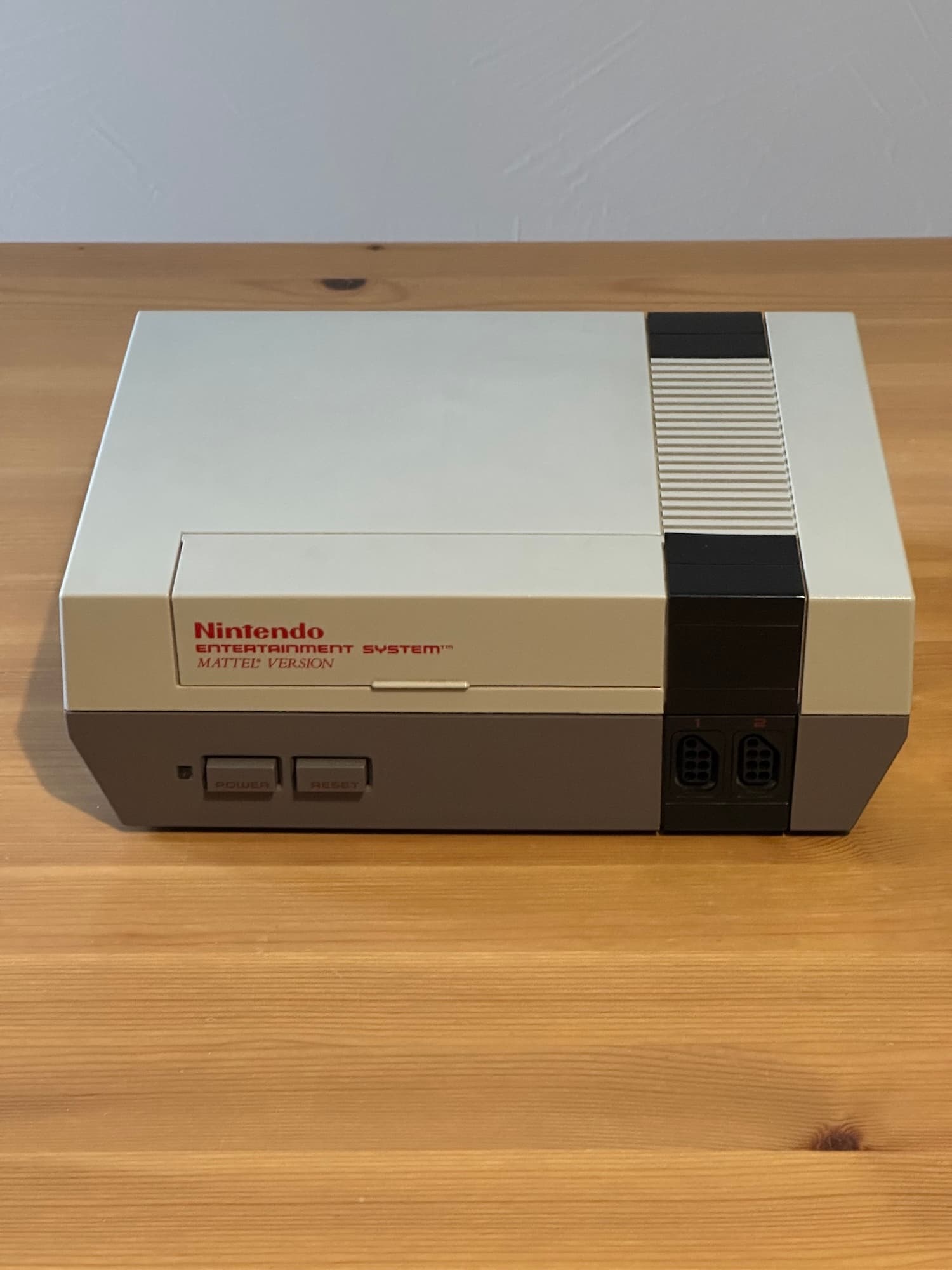
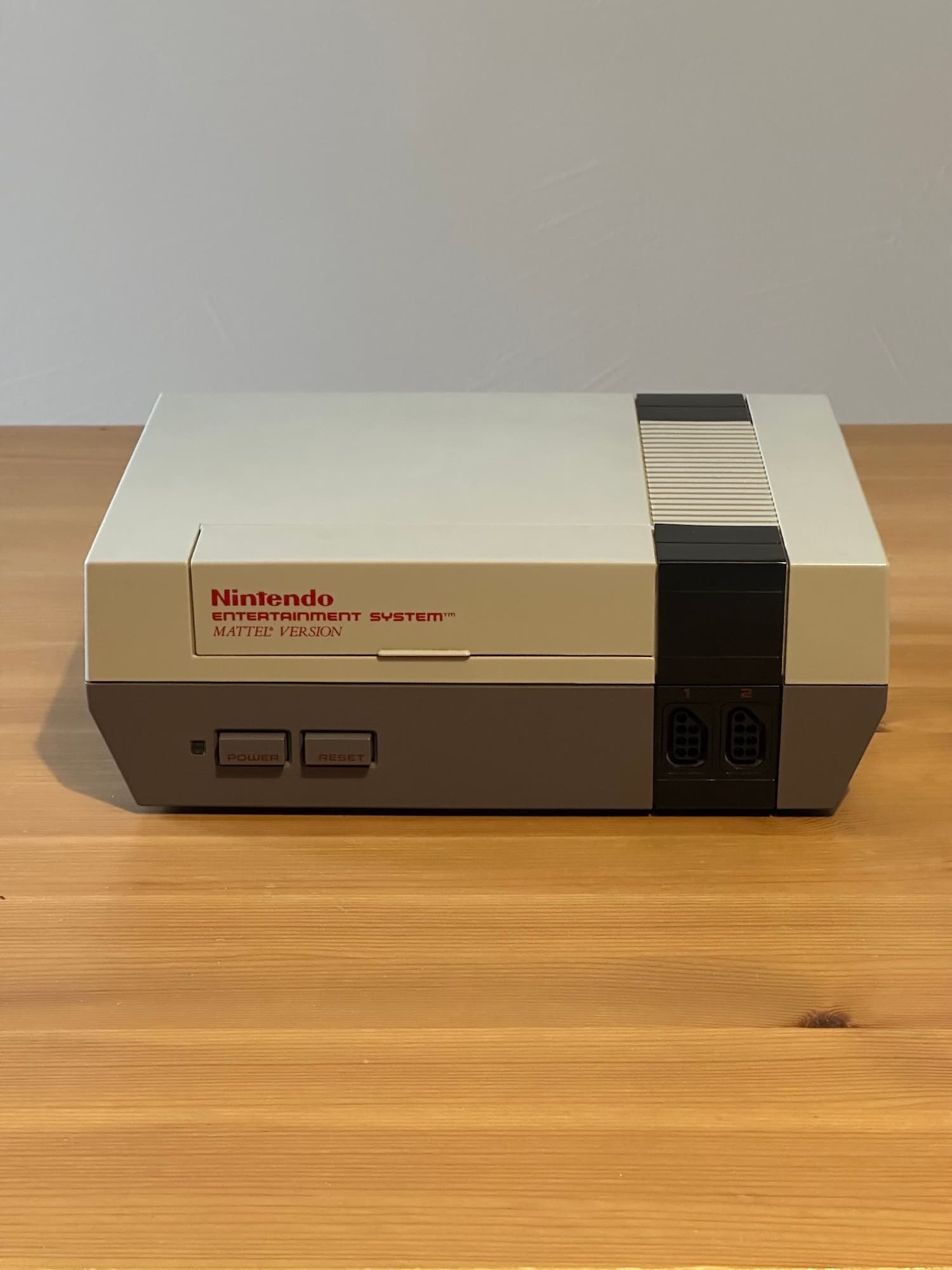
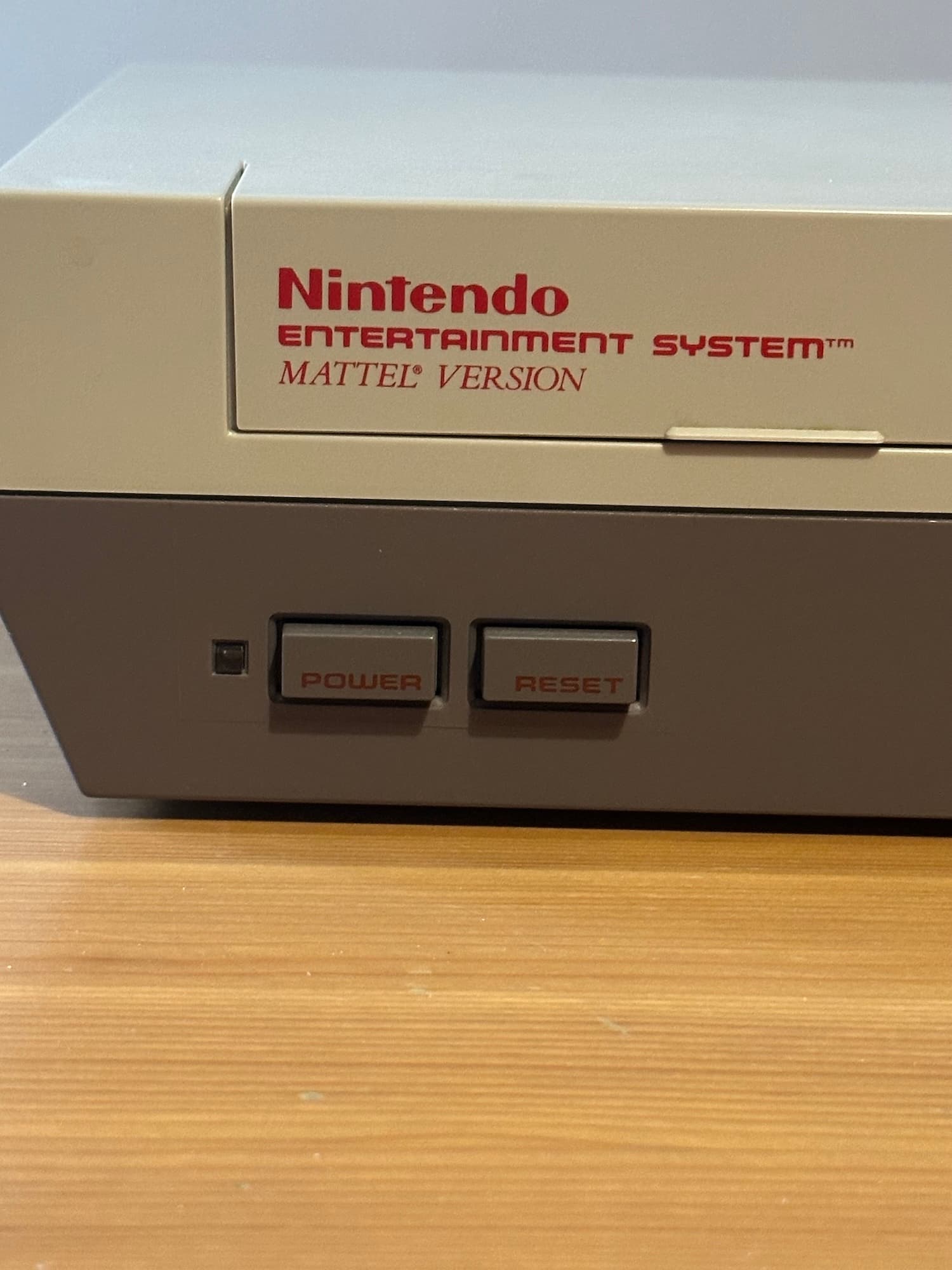
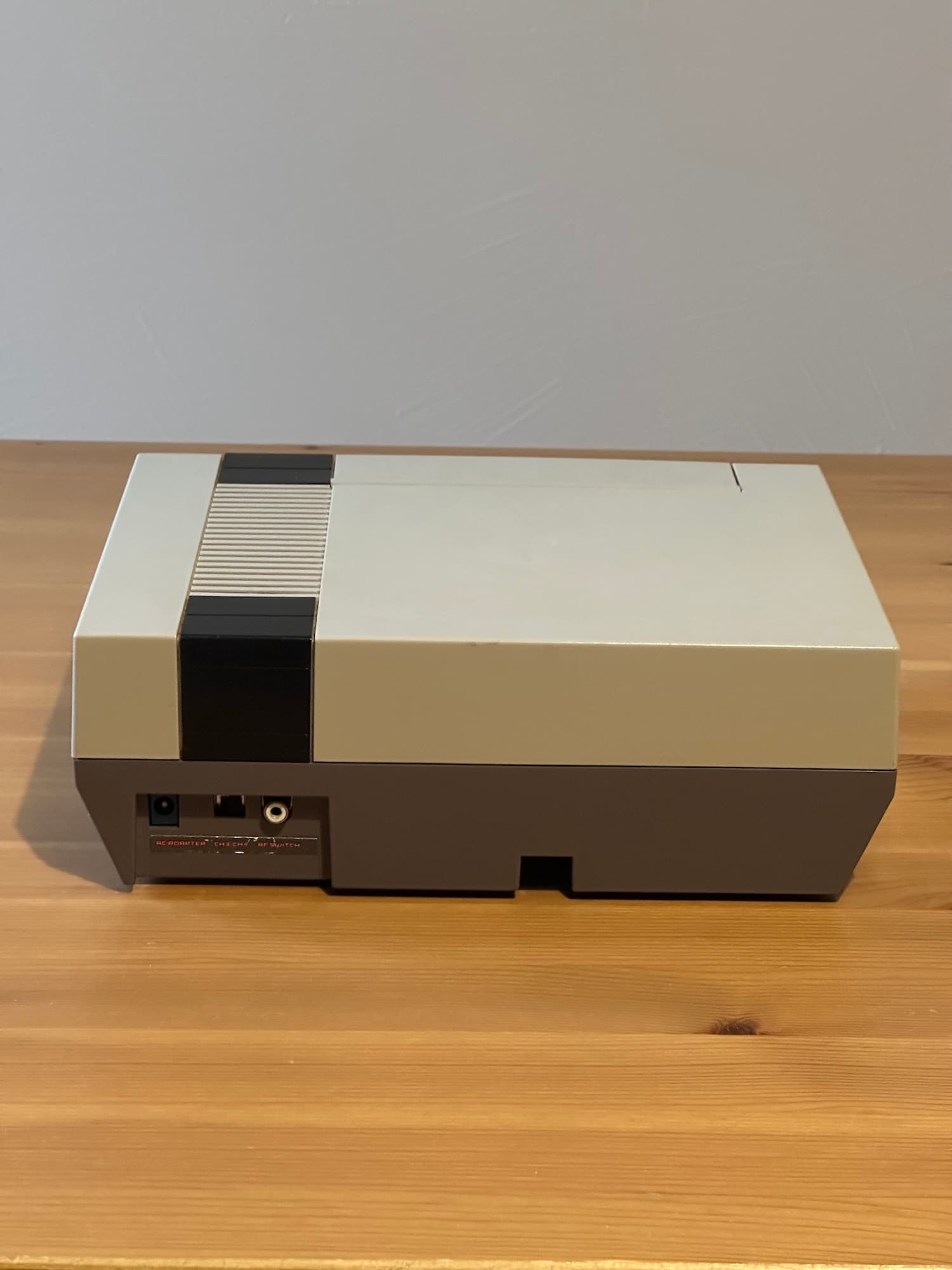
Nintendo Entertainment System

Released:1983
Acquired:1992
Architecture:8 bit
Generation:3rd
Hardware specs
| Component | Specification |
|---|---|
| CPU | Ricoh 2A03 (8-bit, MOS 6502-derived, NMI + IRQ, BCD disabled) |
| PPU | Ricoh 2C02 (NTSC) – Pattern Tables, Nametables, Sprite Engine |
| System RAM | 2 KB internal Work RAM |
| Video RAM | 2 KB for Nametables |
| Audio | 5-channel APU (2 Pulse, 1 Triangle, 1 Noise, 1 DPCM) |
| Storage | ROM Cartridge (with optional mappers MMC1, MMC3, UxROM, CNROM) |
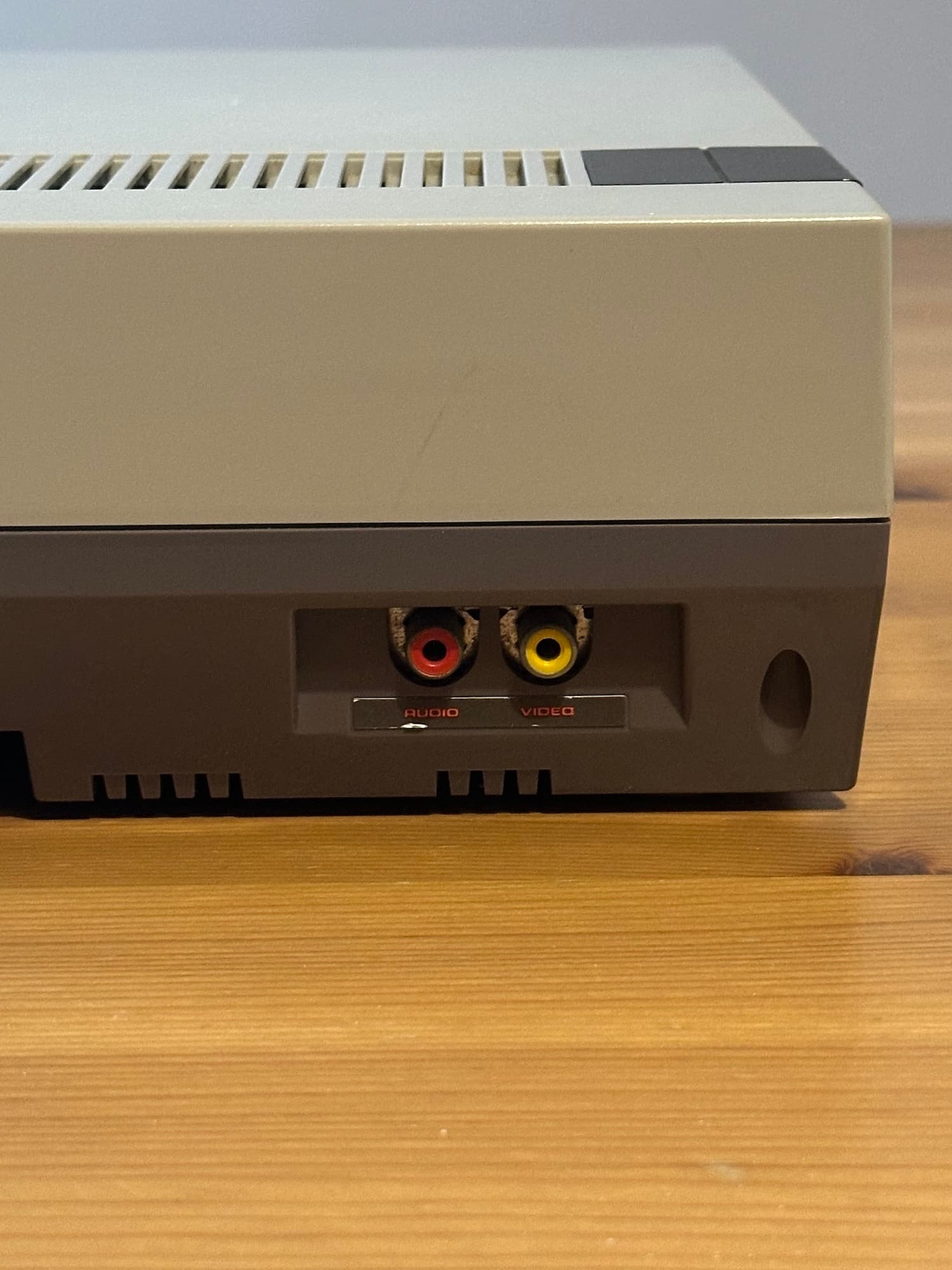
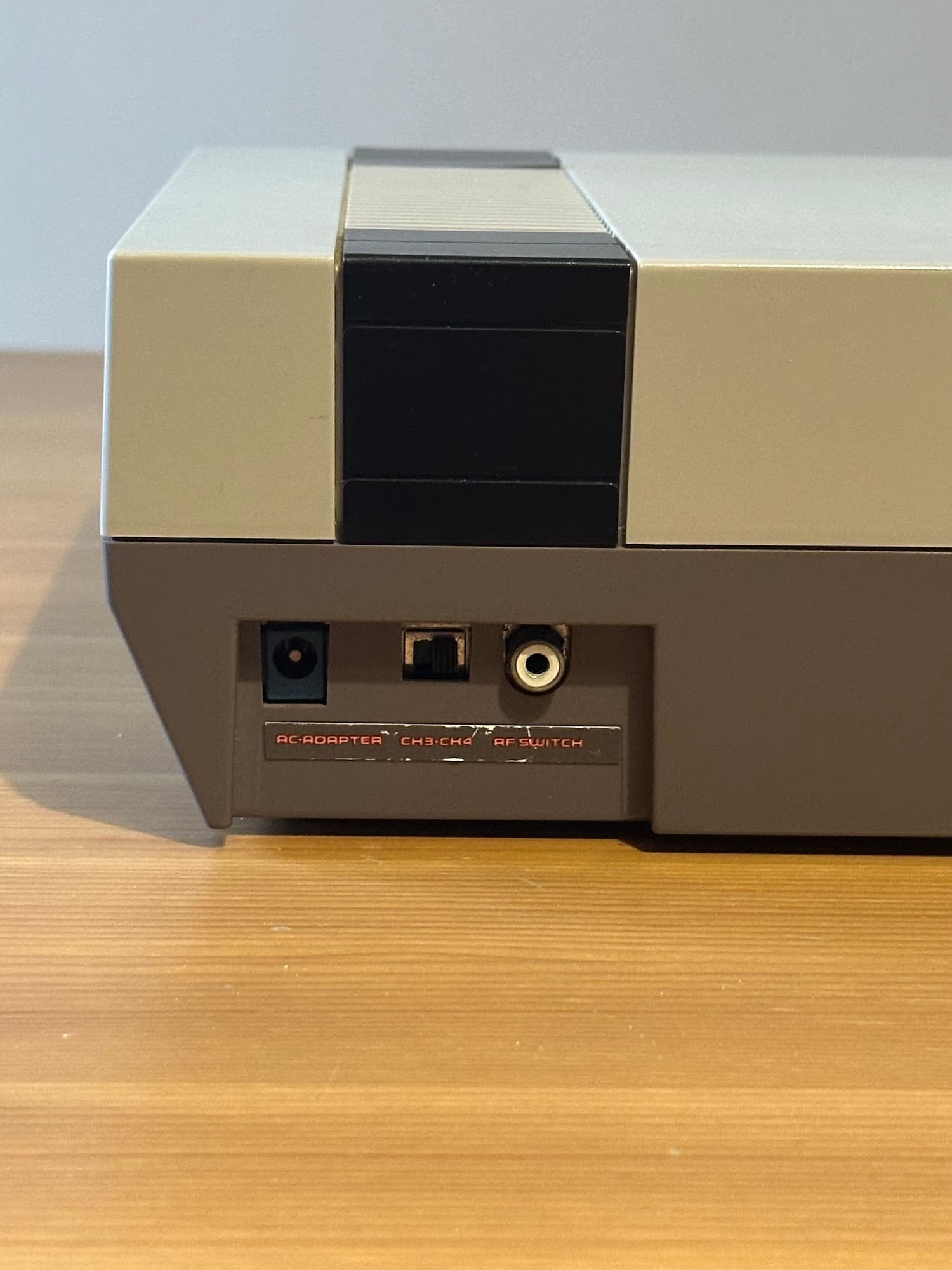
| Video Output | RF / Composite |
| Audio Output | Mono |
| Architecture | 8-bit |
Trivia & Fun Facts
- The NES was intentionally designed to look like a VCR rather than a video game console. This was a strategic move by Nintendo to avoid the stigma associated with video games at the time, especially after the video game crash of 1983.
- The NES was released in Japan as the Famicom (Family Computer) in 1983, and it has been supported until 2003, making it one of the longest-supported consoles in history.
- The entire library of over 700 licensed NES games is roughly 237 MBs, smaller than a single, high-definition YouTube video. It could easily fit on a modern USB stick.
- To prevent the flood of "shovelware" (poor quality games) that caused the 1983 crash, Nintendo introduced a strict licensing system and the "Official Nintendo Seal of Quality" to regain consumer trust.