> Uploading knowledge... _
[░░░░░░░░░░░░░░░░░░░░░░░░] 0%

> CHICIO CODING_Pixels. Code. Unplugged.
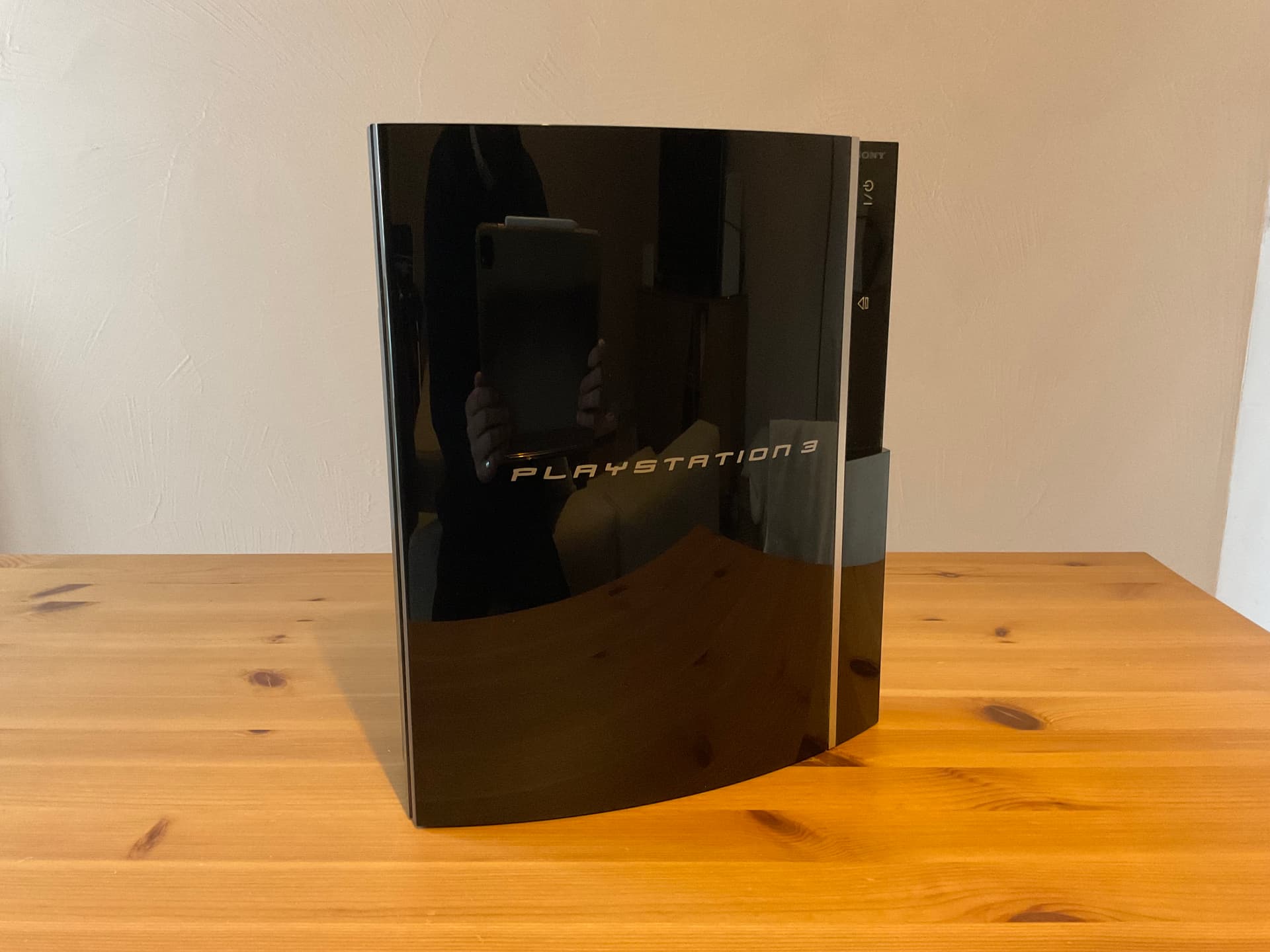
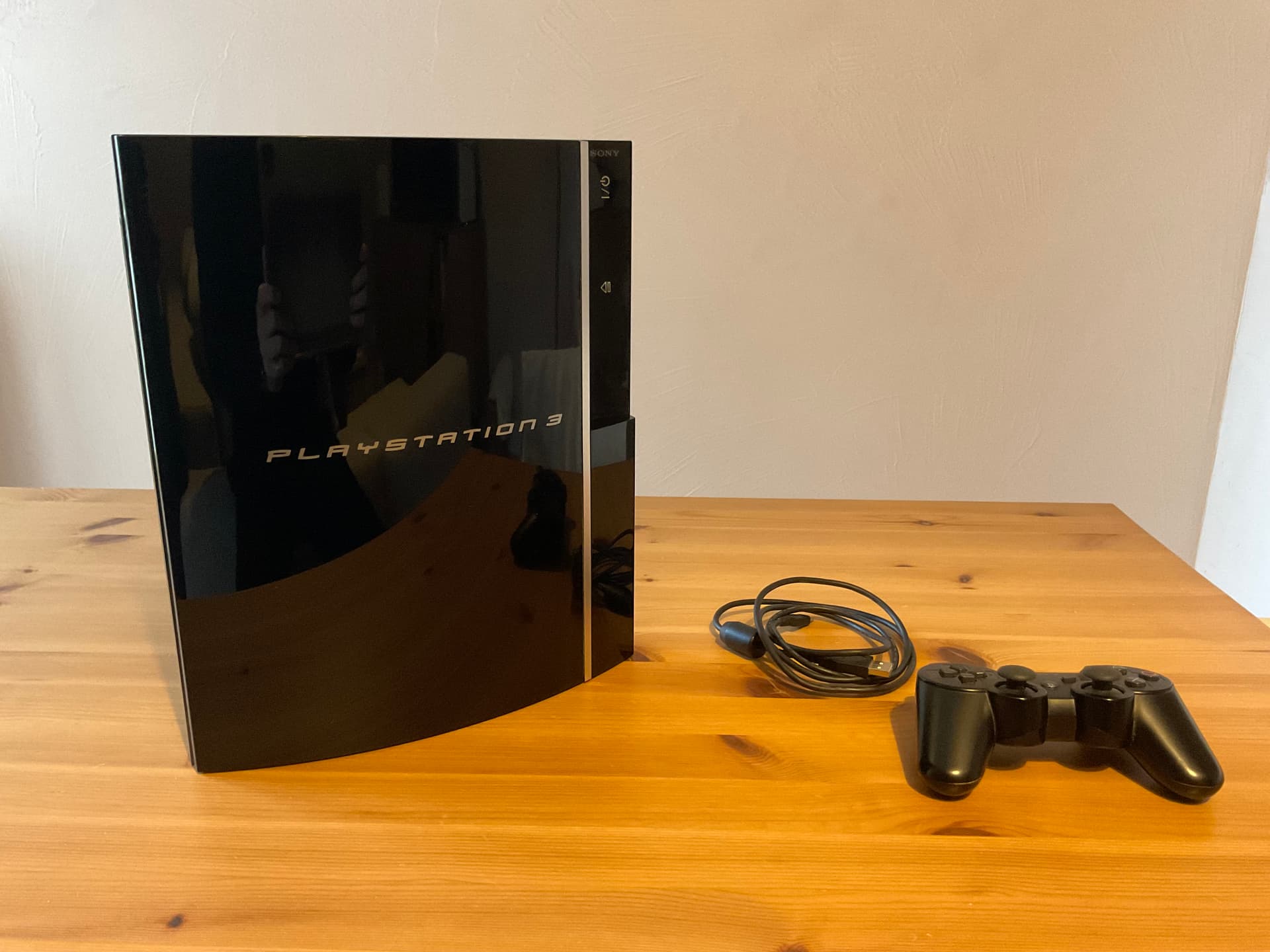
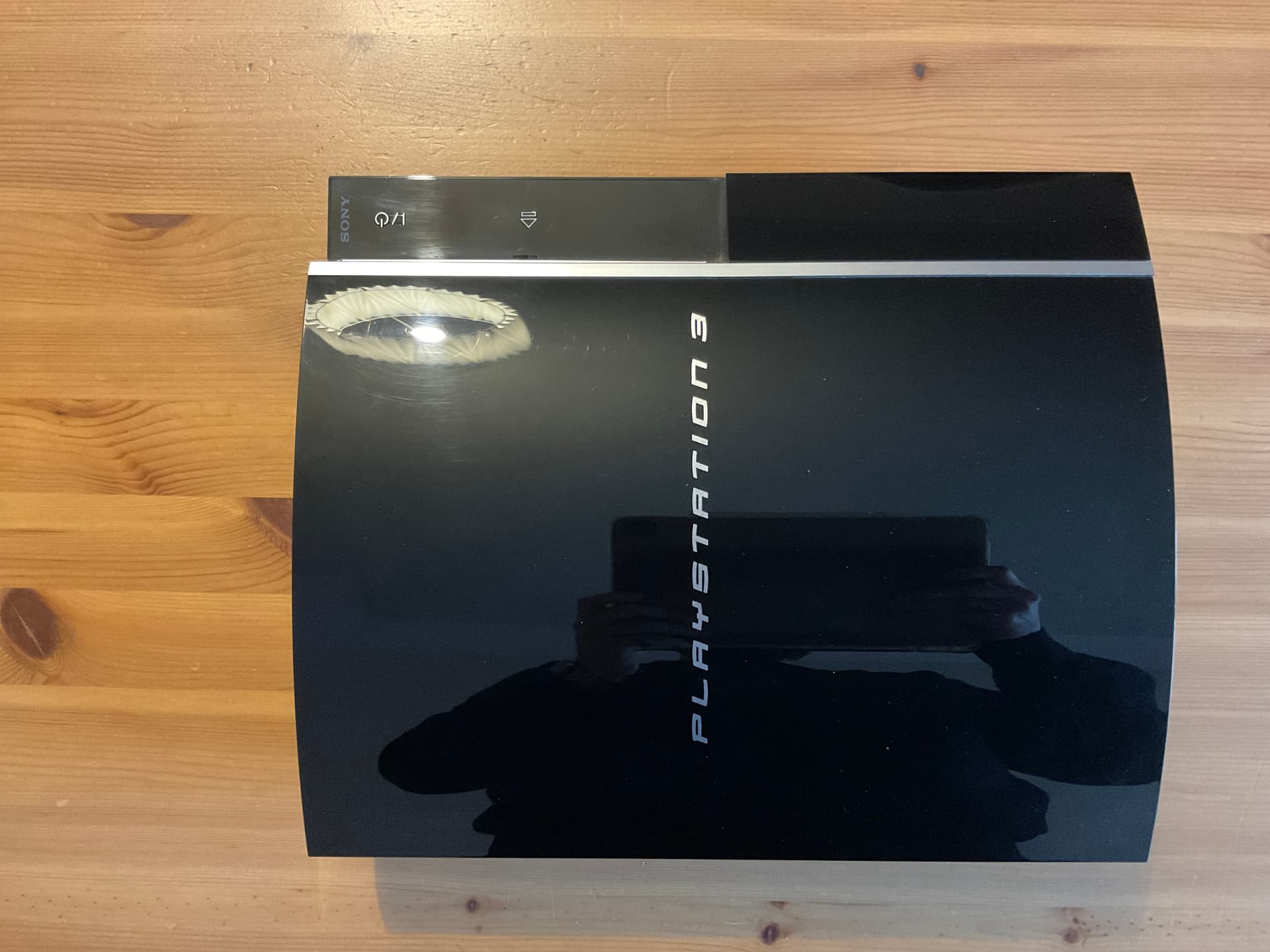
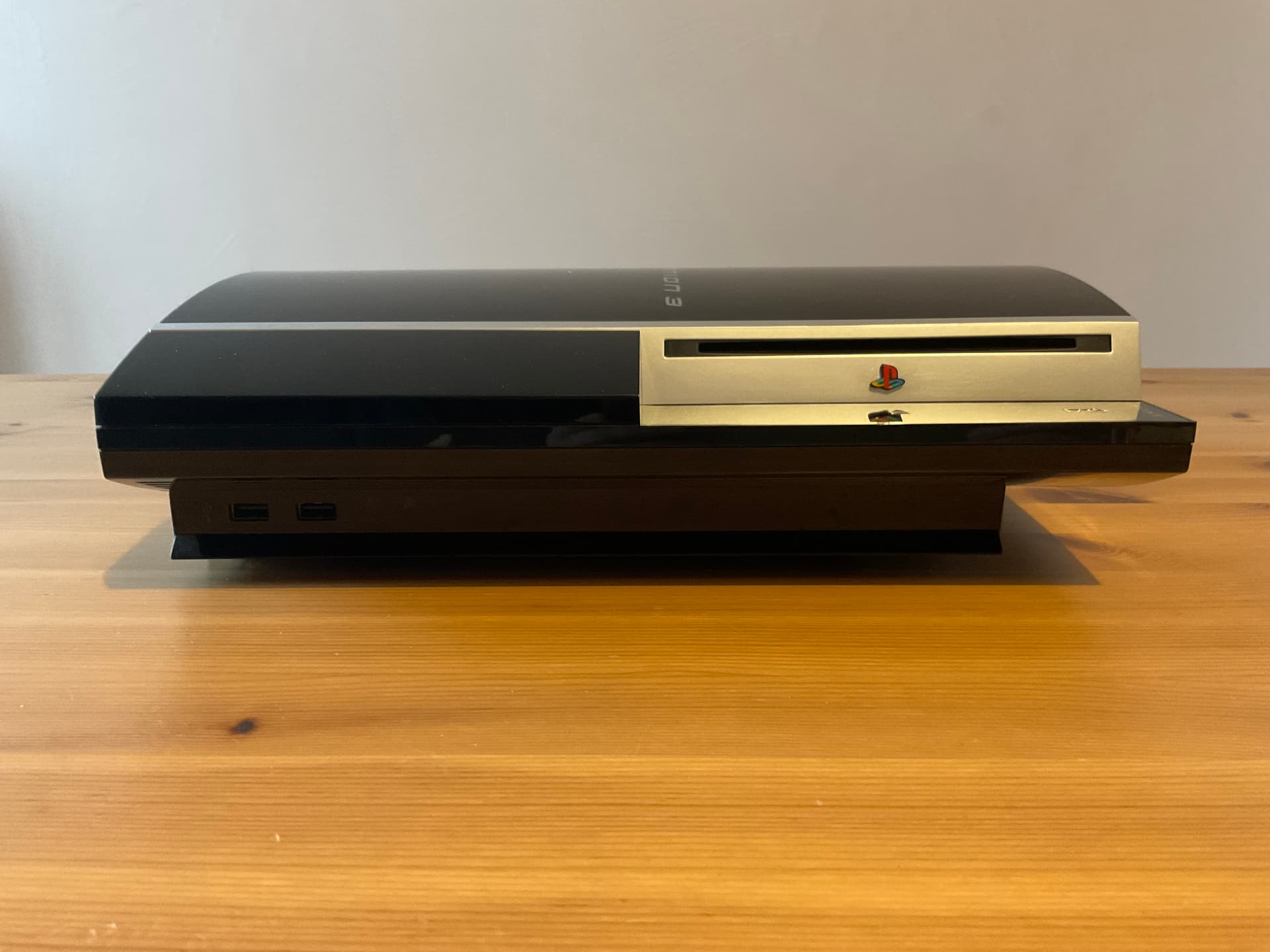
PlayStation 3


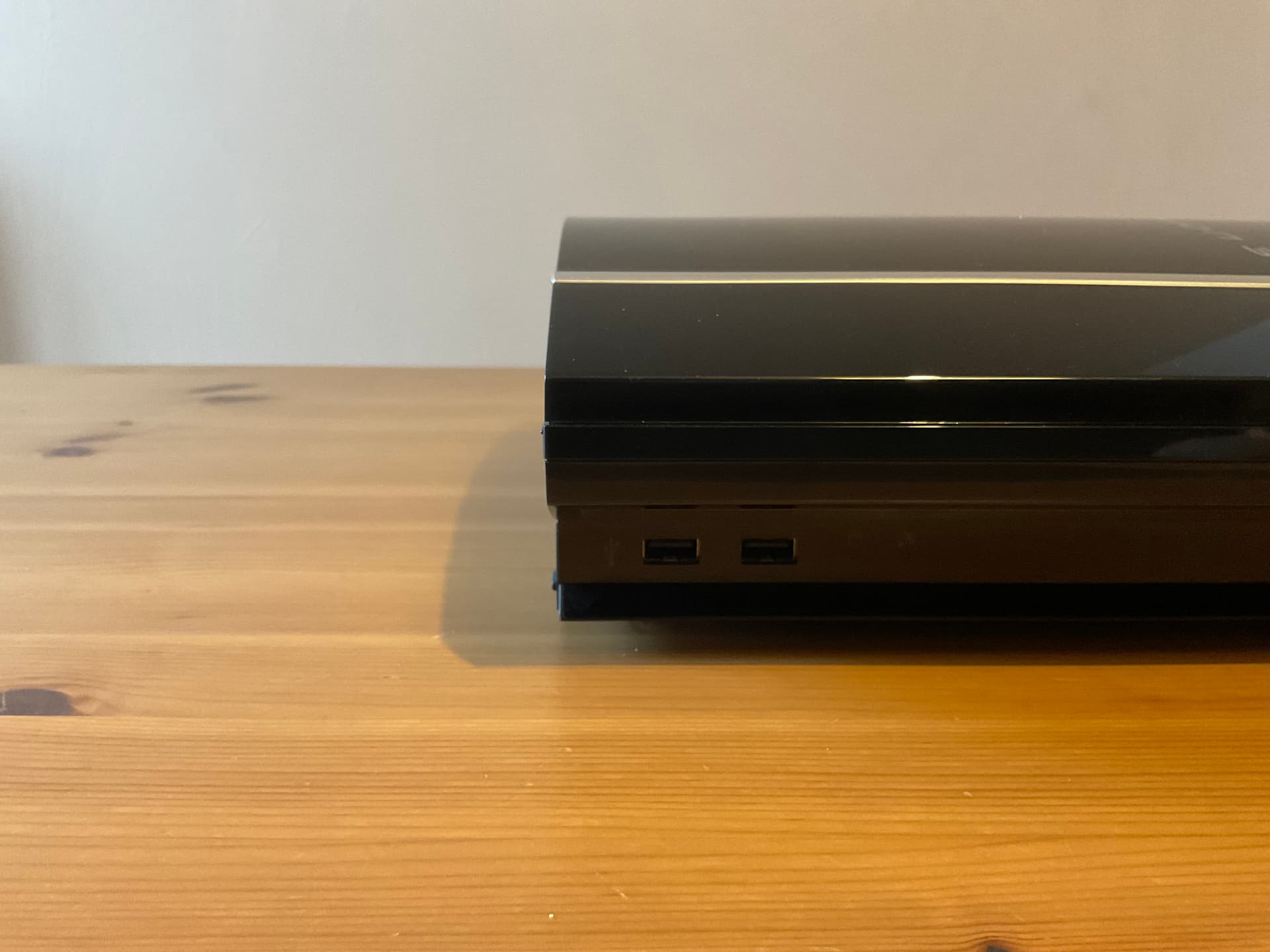
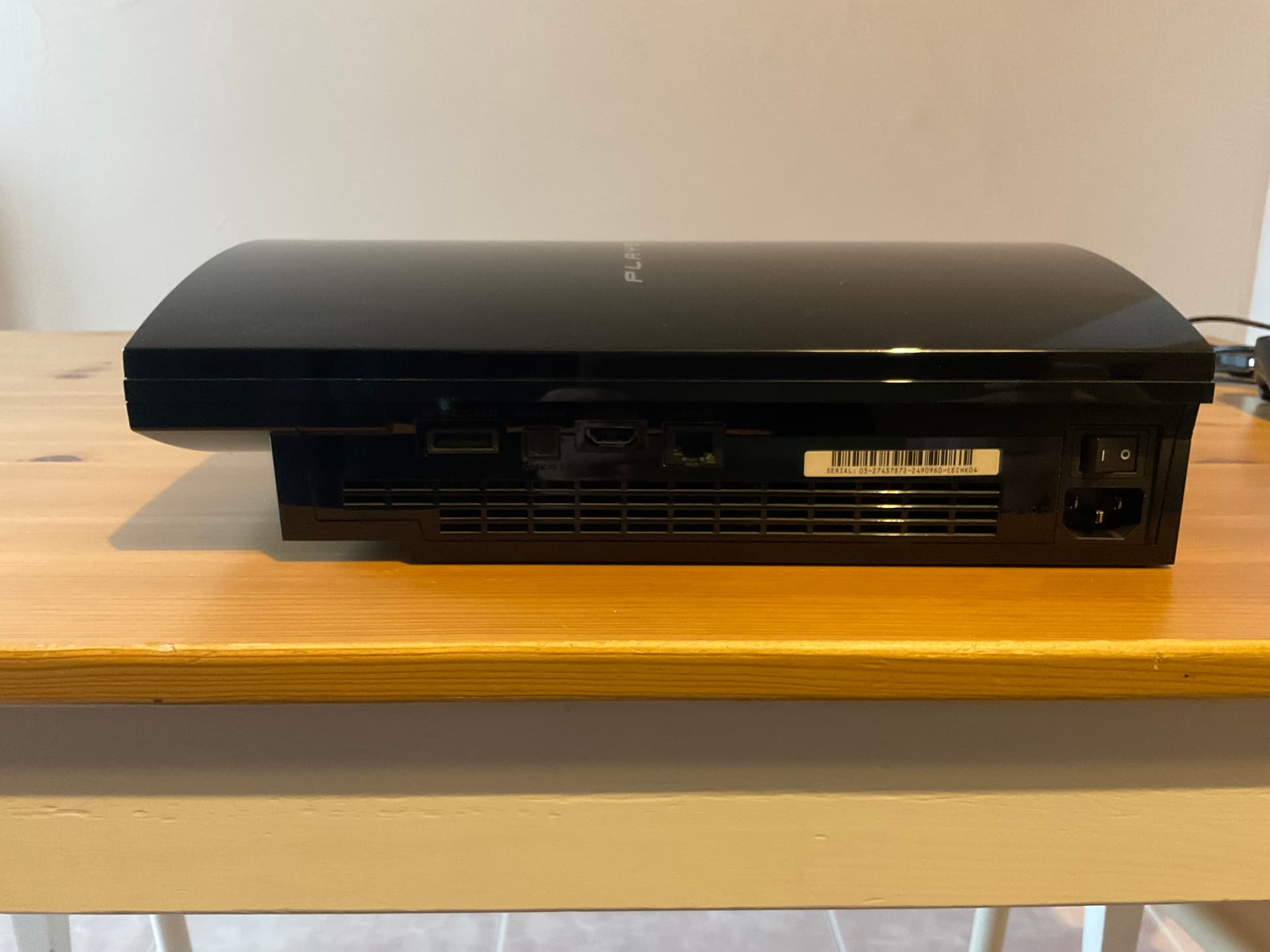
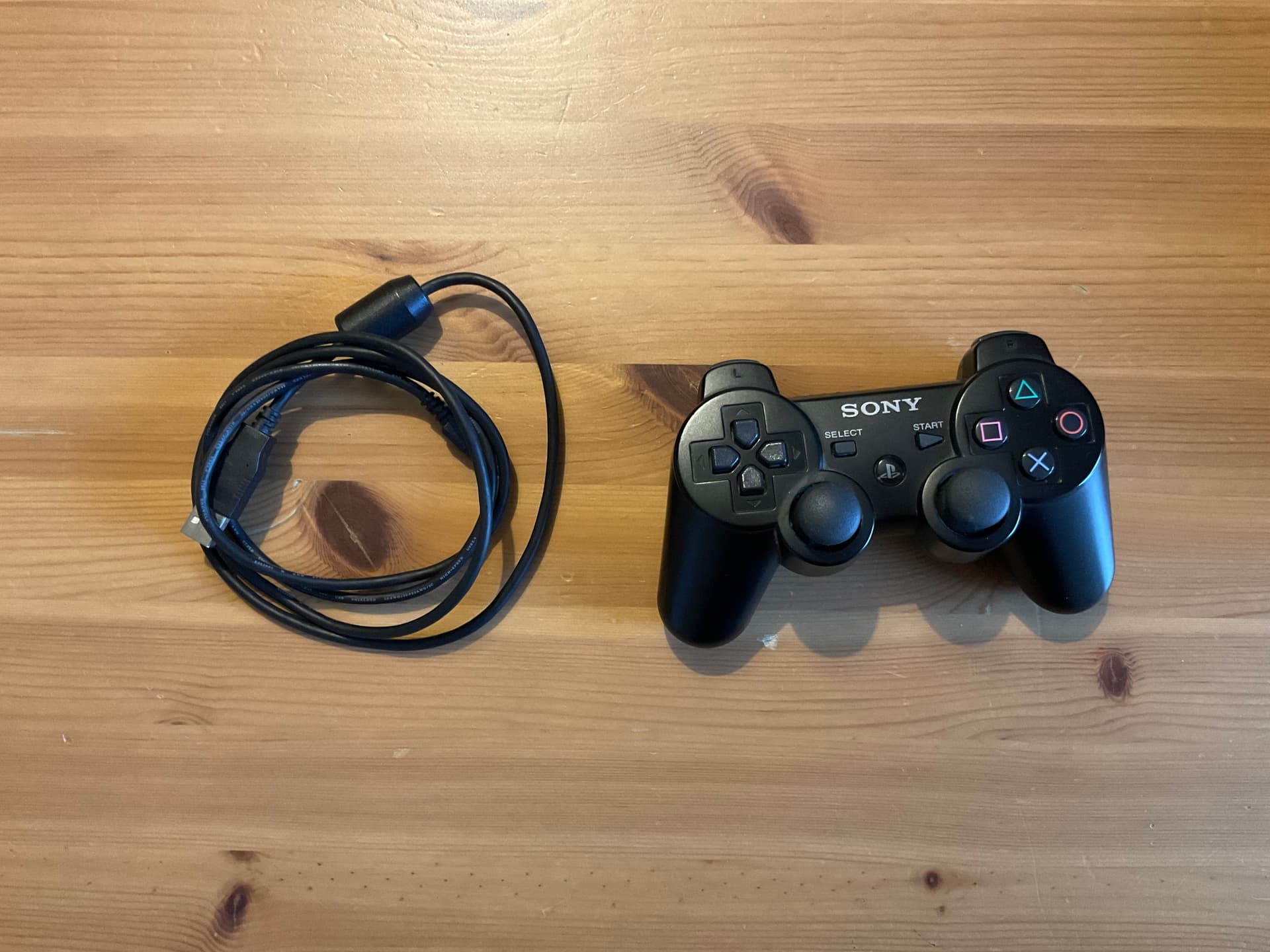
Released:2006
Acquired:2008
Architecture:64 bit
Generation:7th
Hardware specs
| Component | Specification |
|---|---|
| CPU | Cell Broadband Engine 7-core (1 PPE + 6 SPEs) 3.2 GHz |
| GPU | NVIDIA RSX “Reality Synthesizer” 550 MHz, 256 MB GDDR3 |
| System RAM | 256 MB XDR main RAM |
| Audio | 7.1-channel surround, SPDIF |
| Storage | Blu-ray Disc, 20–500 GB HDD |
| Video Output | HDMI, Component, Composite |
| Audio Output | Stereo / Surround |
| Architecture | 64-bit |
Startup
By the time of the PS3, Takafumi Fujisawa had moved into a development manager role, so the console's startup sound was created by his junior staff rather than by him directly; the individual composers are not named in the available sources. The result was a deliberate departure from the PS1 and PS2 chimes: a sound built on the idea of an orchestra tuning up, meant to express that something is about to start.
- Fujisawa himself praised the concept afterward: "the concept is great that the sound features the orchestra tuning up to express that something is starting" (SVG).

Trivia & Fun Facts
- If the font on the original "Fat" PS3 looks familiar, it’s because it is exactly the same font used for Sam Raimi’s Spider-Man movies. Sony Pictures owned the rights, and the designers thought it looked "heroic" and high-tech.
- The PS3’s Cell Processor was so powerful at floating-point math that the U.S. Air Force built a supercomputer called the "Condor Cluster" using 1,760 PS3 consoles tethered together. It was used for satellite image processing because it was much cheaper than buying enterprise servers.
- Early 20GB and 60GB models actually contained a physical PS2 chip (the Emotion Engine) inside them to play old games. To cut costs later, Sony removed the chip and tried using software emulation, before eventually removing PS2 support entirely.
- Sony originally allowed users to install Linux on the PS3, marketing it as a "PC-like" device. However, they removed this feature in 2010 via a firmware update due to "security concerns" (hackers were using it to bypass protections), which led to a massive class-action lawsuit.
- For years, PS3 owners could donate their console's spare processing power to Stanford University’s Folding@Home project. It helped simulate protein folding to research cures for Alzheimer’s and cancer, making the PS3 community one of the most powerful distributed computing networks in the world.
- Just like the PS2 "won" the DVD war, the PS3 is credited with winning the high-definition disc war against HD-DVD (Microsoft's backed format). By including a Blu-ray player in every console, Sony ensured their format became the industry standard.